Fundamental Physics
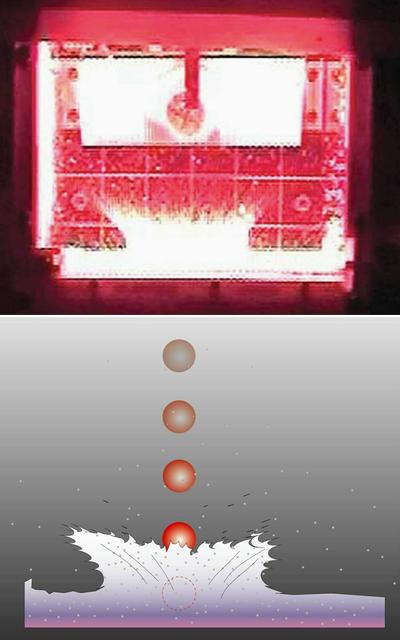
Clues to the formation of planets and planetary rings -- like Saturn's dazzling ring system -- may be found by studying how dust grains interact as they collide at low speeds. To study the question of low-speed dust collisions, NASA sponsored the COLLisions Into Dust Experiment (COLLIDE) at the University of Colorado. It was designed to spring-launch marble-size projectiles into trays of powder similar to space or lunar dust. COLLIDE-1 (1998) discovered that collisions below a certain energy threshold eject no material. COLLIDE-2 was designed to identify where the threshold is. In COLLIDE-2, scientists nudged small projectiles into dust beds and recorded how the dust splashed outward (video frame at top; artist's rendering at bottom). The slowest impactor ejected no material and stuck in the target. The faster impactors produced ejecta; some rebounded while others stuck in the target.
- Date
- 2003-01-22
- Collection
- NASA Marshall Space Flight Center
- Archive
- NASA Image and Video Library
- Type
- illustration (NASA artwork)
More from this collection: NASA Marshall Space Flight Center photos from the 2000s
Public domain
safestReason: a NASA work: not copyrighted in the United States.
Read from: NASA media usage guidelines: NASA material is not copyrighted in the US unless noted; no third-party credit or mark found.
Credit line
"Fundamental Physics" (2003-01-22). NASA/MSFC. Public domain. https://images.nasa.gov/details/0300199Need photos for a whole script? Add Find Any Photo to Claude and ask for this one by its id: 84699.
More like this

Out of the Dust, A Planet is Born Artist Concept
2004-05-27 · NASA Image and Video Library
Clumps in the F Ring
2004-03-12 · NASA Image and Video Library
Rain on the Plane
2009-09-21 · NASA Image and Video Library
Galactic Behavior for the Outer B Ring
2010-11-01 · NASA Image and Video Library
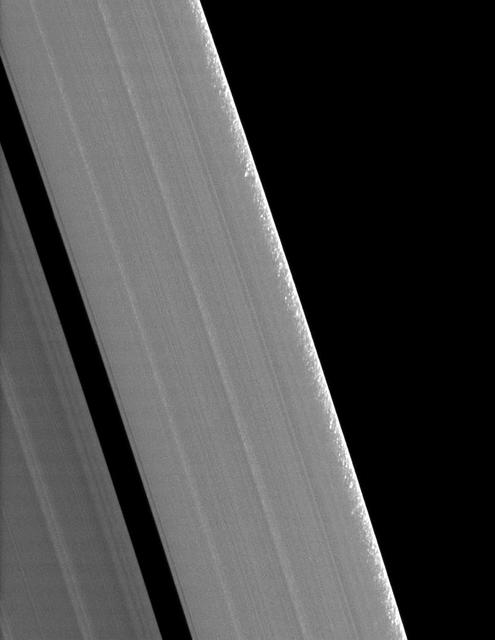
Equinoctial Clumps
2010-09-16 · NASA Image and Video Library
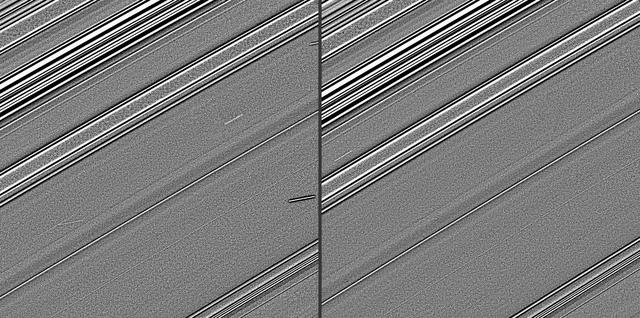
New Views on Old Finds
2009-09-21 · NASA Image and Video Library
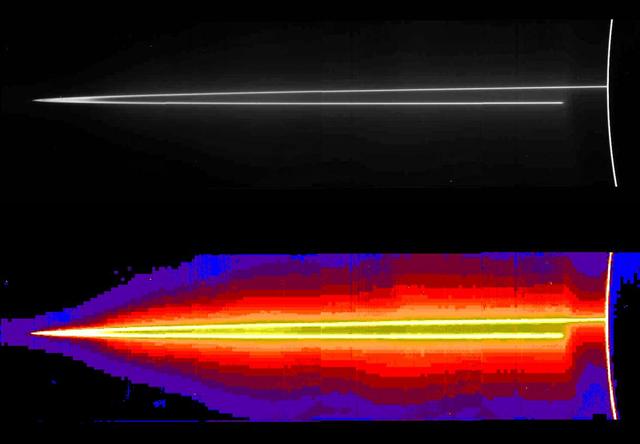
Jupiter Main Ring/Ring Halo
1998-03-26 · NASA Image and Video Library
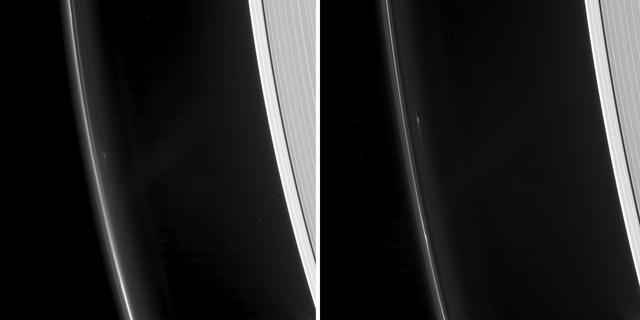
Hardy Objects in Saturn F Ring
2017-02-24 · NASA Image and Video Library