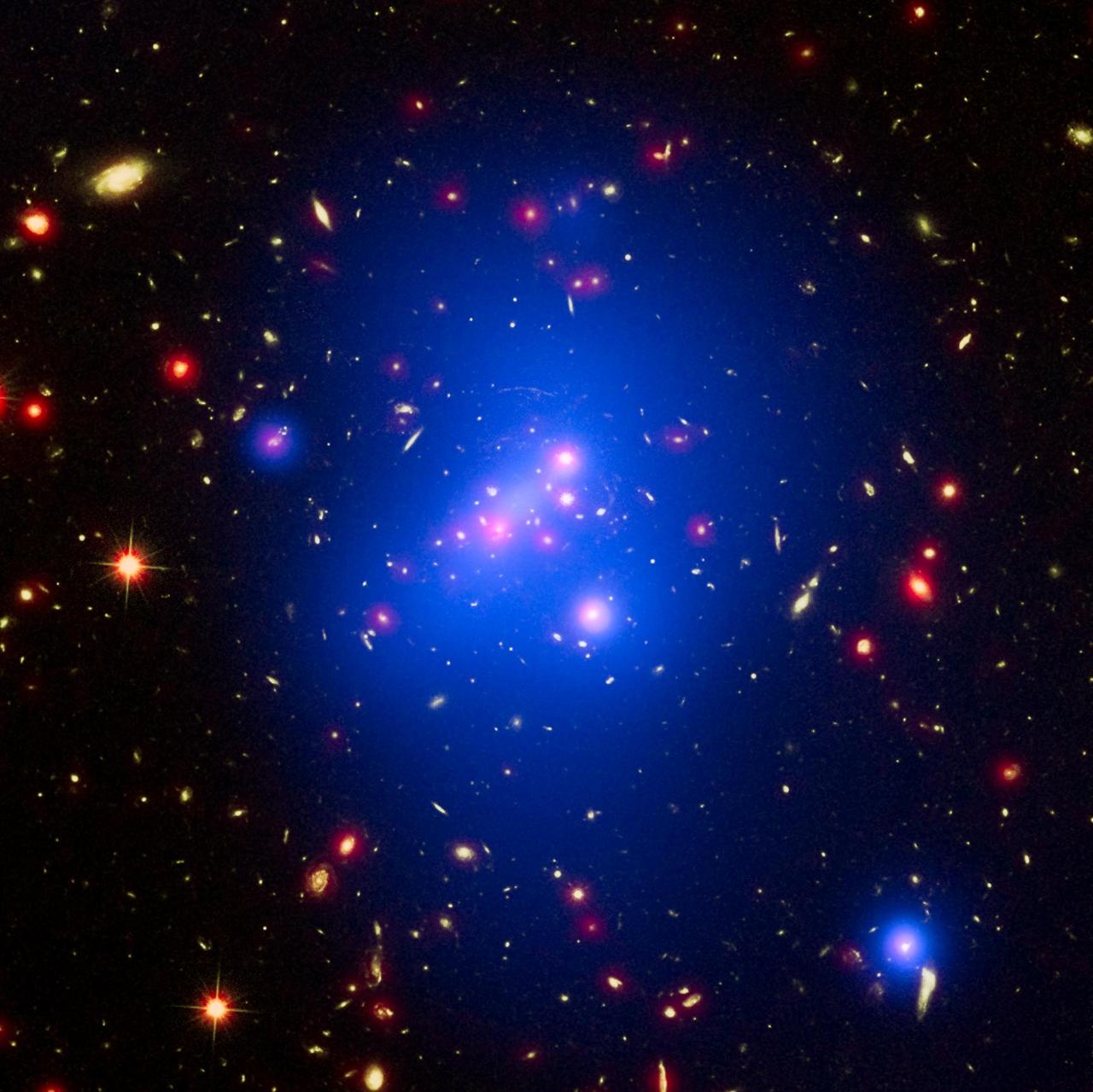
Galaxy Cluster IDCS J1426
Astronomers have made the most detailed study yet of an extremely massive young galaxy cluster using three of NASA's Great Observatories. This multi-wavelength image shows this galaxy cluster, called IDCS J1426.5+3508 (IDCS 1426 for short), in X-rays recorded by the Chandra X-ray Observatory in blue, visible light observed by the Hubble Space Telescope in green, and infrared light detected by the Spitzer Space Telescope in red. This rare galaxy cluster, which is located 10 billion light-years from Earth, is almost as massive as 500 trillion suns. This object has important implications for understanding how such megastructures formed and evolved early in the universe. The light astronomers observed from IDCS 1426 began its journey to Earth when the universe was less than a third of its current age. It is the most massive galaxy cluster detected at such an early time. First discovered by the Spitzer Space Telescope in 2012, IDCS 1426 was then observed using the Hubble Space Telescope and the Keck Observatory to determine its distance. Observations from the Combined Array for Millimeter-wave Astronomy indicated it was extremely massive. New data from the Chandra X-ray Observatory conf
- Date
- 2016-01-07
- Photographer / author
- NASA/CXC/Univ of Missouri/M.Brodwin et al; NASA/STScI; JPL/CalTech
- Collection
- JPL
- Archive
- NASA Image and Video Library
- Type
- photograph
Public domainsafest
Reason: a NASA work: not copyrighted in the United States.
Read from: NASA media usage guidelines: NASA material is not copyrighted in the US unless noted; no third-party credit or mark found.
Credit line
"Galaxy Cluster IDCS J1426" (2016-01-07). NASA/JPL/NASA/CXC/Univ of Missouri/M.Brodwin et al; NASA/STScI; JPL/CalTech. Public domain. https://images.nasa.gov/details/PIA20063Need photos for a whole script? Add Find Any Photo to Claude and ask for this one by its id: 15836.
More like this
A Giant Gathering of Galaxies
2015-11-03 · NASA Image and Video Library
WISE Finds a Galactic Metropolis
2012-12-06 · NASA Image and Video Library
Hubble Frontier Fields view of MACSJ0717.5+3745
2015-10-22 · NASA Image and Video Library
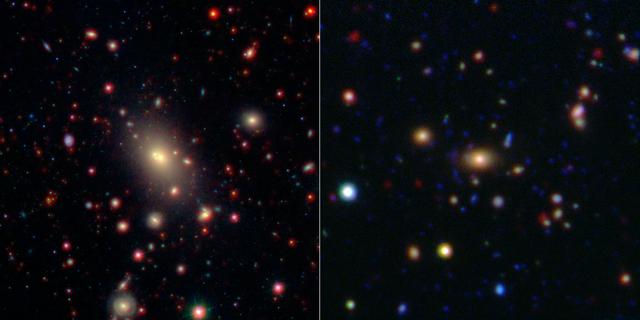
Monster in the Middle: Brightest Cluster Galaxy
2013-08-01 · NASA Image and Video Library

A Nearby Stellar Cradle
2012-11-07 · NASA Image and Video Library
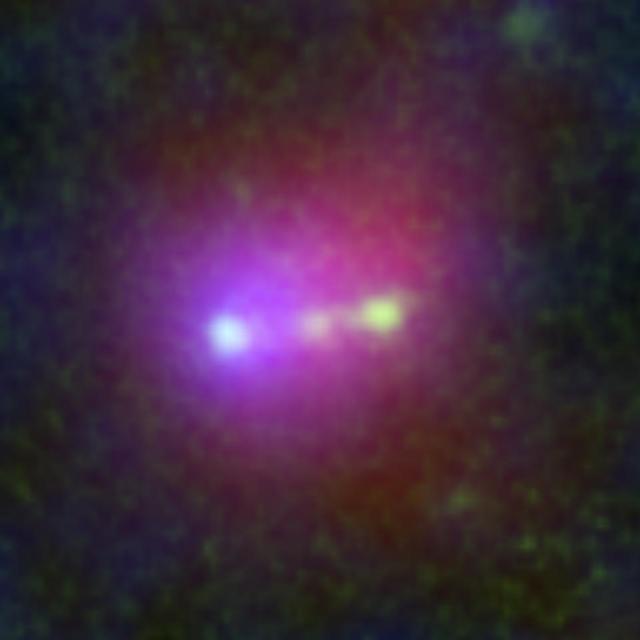
Three-headed Galactic Blob
2013-11-21 · NASA Image and Video Library
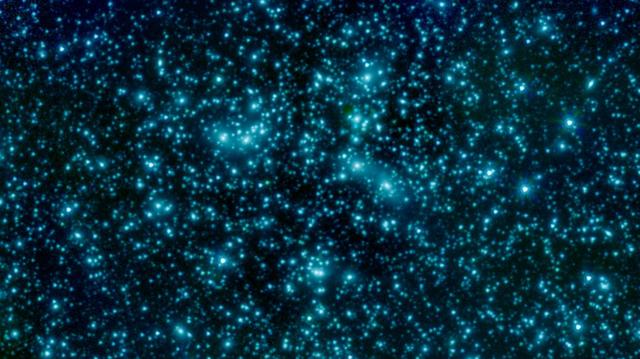
Pandora Cluster Seen by Spitzer
2016-09-28 · NASA Image and Video Library

Galactic Metropolis
2013-12-18 · NASA Image and Video Library