
History of Hubble Space Telescope (HST)
Some 5,000 light years (2,900 trillion miles) from Earth, in the constellation Puppis, is the 1.4 light years (more than 8 trillion miles) long Calabash Nebula, referred to as the Rotten Egg Nebula because of its sulfur content which would produce an awful odor if one could smell in space. This image of the nebula captured by NASA's Hubble Space Telescope (HST) depicts violent gas collisions that produced supersonic shock fronts in a dying star. Stars, like our sun, will eventually die and expel most of their material outward into shells of gas and dust These shells eventually form some of the most beautiful objects in the universe, called planetary nebulae. The yellow in the image depicts the material ejected from the central star zooming away at speeds up to one and a half million kilometers per hour (one million miles per hour). Due to the high speeds of the gas, shock-fronts are formed on impact and heat the surrounding gas. Although computer calculations have predicted the existence and structure of such shocks for some time, previous observations have not been able to prove the theory.
- Date
- 2001-08-24
- Collection
- MSFC
- Archive
- NASA Image and Video Library
- Type
- photograph
Public domainsafest
Reason: a NASA work: not copyrighted in the United States.
Read from: NASA media usage guidelines: NASA material is not copyrighted in the US unless noted; no third-party credit or mark found.
Credit line
"History of Hubble Space Telescope (HST)" (2001-08-24). NASA/MSFC. Public domain. https://images.nasa.gov/details/0300724Need photos for a whole script? Add Find Any Photo to Claude and ask for this one by its id: 17643.
More like this

Hubble sniffs out a brilliant star death in a “rotten egg” nebula
2017-12-08 · NASA Image and Video Library

History of Hubble Space Telescope (HST)
1969-01-01 · NASA Image and Video Library
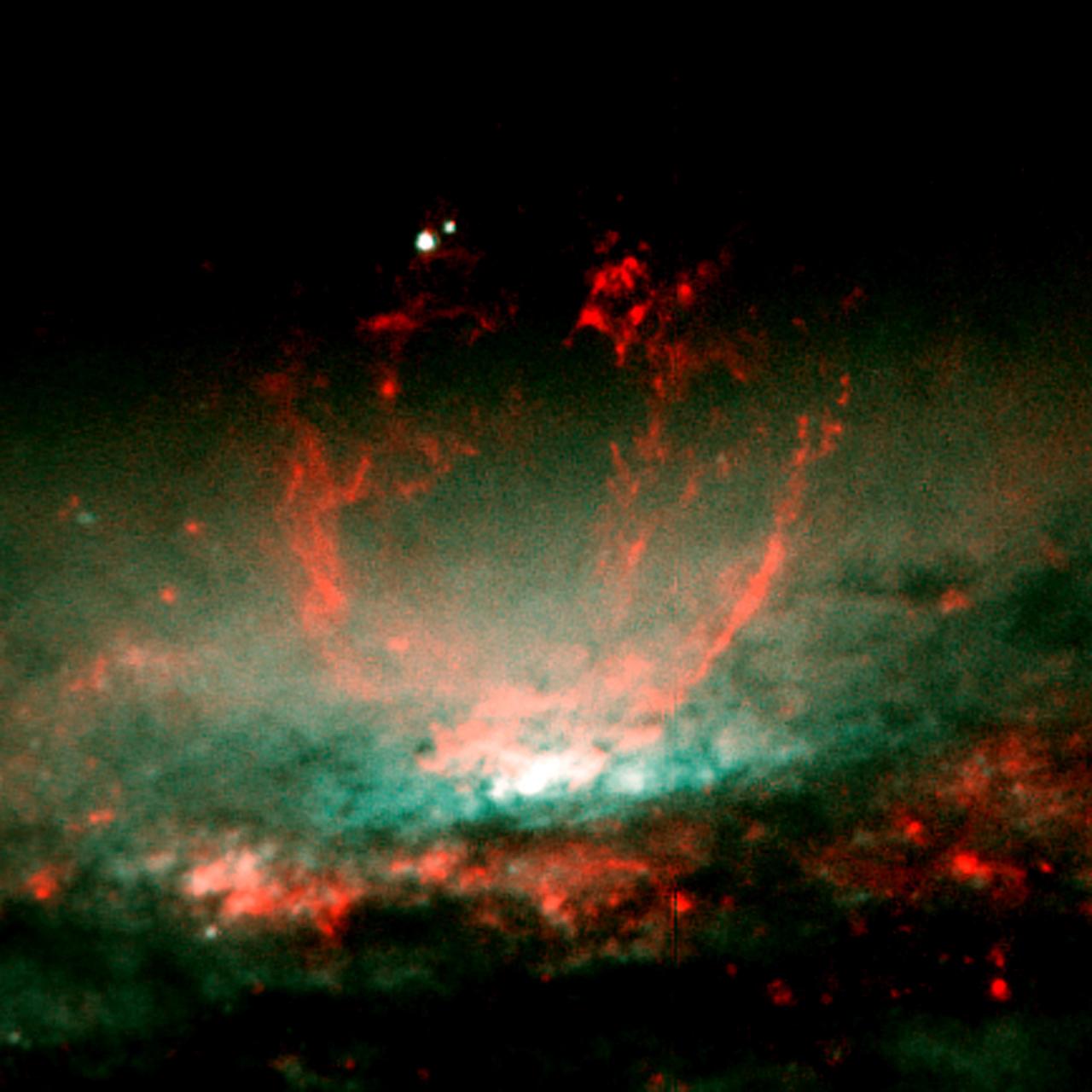
History of Hubble Space Telescope (HST)
2001-08-16 · NASA Image and Video Library
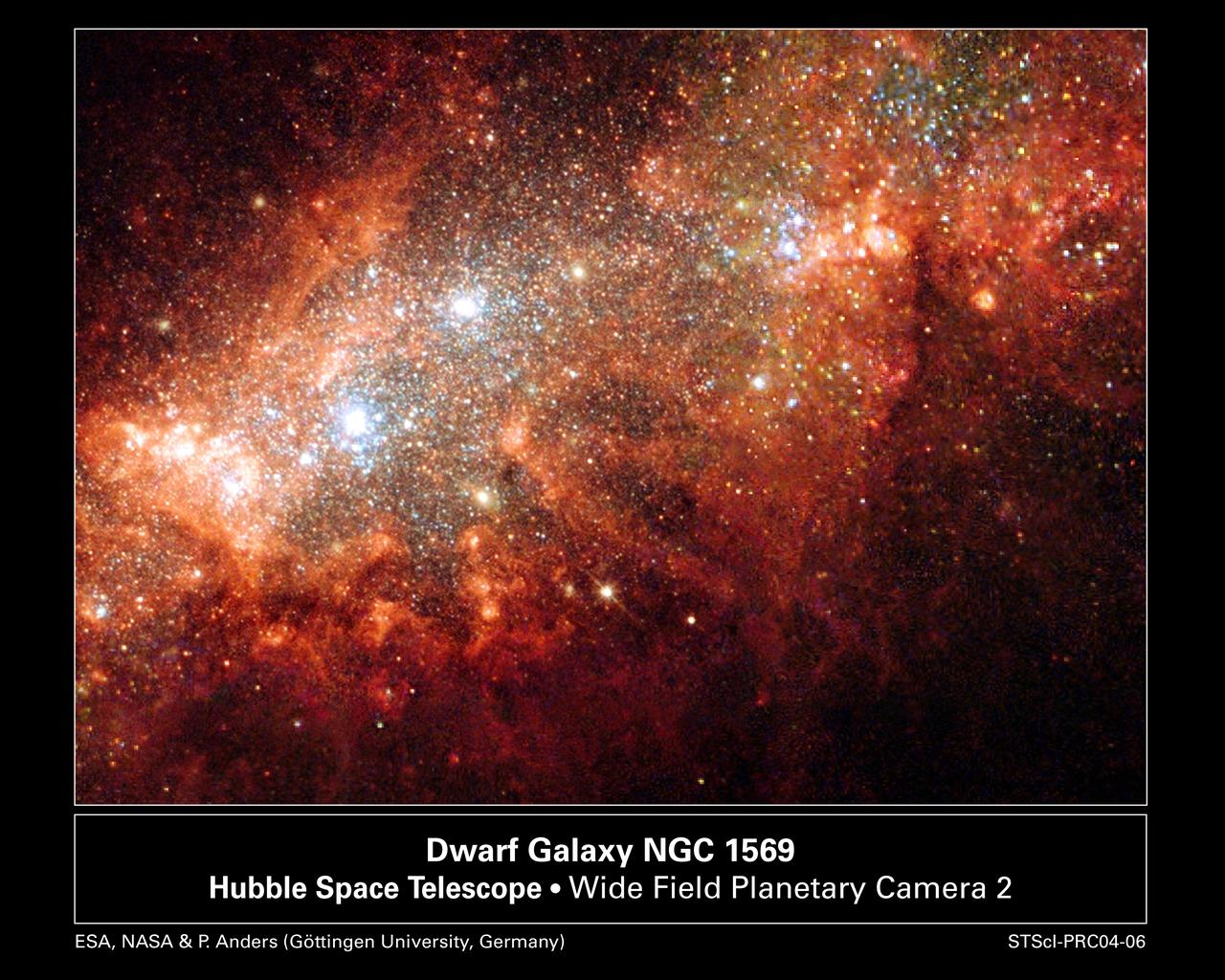
History of Hubble Space Telescope (HST)
2004-01-01 · NASA Image and Video Library

History of Hubble Space Telescope (HST)
1997-01-01 · NASA Image and Video Library

History of Hubble Space Telescope (HST)
1997-01-02 · NASA Image and Video Library

History of Hubble Space Telescope (HST)
1997-09-08 · NASA Image and Video Library

History of Hubble Space Telescope (HST)
1996-01-16 · NASA Image and Video Library