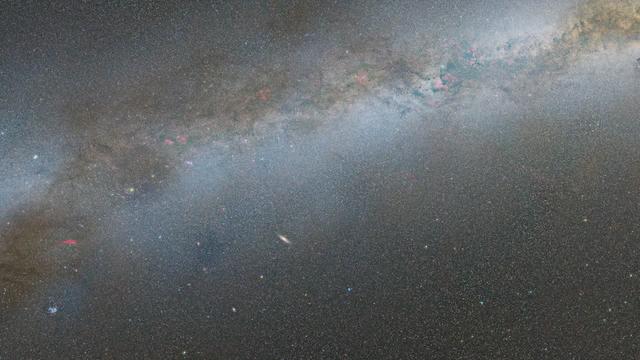
Hubble's High-Definition Panoramic View of the Andromeda Galaxy
Zoom into the Andromeda galaxy. The largest NASA Hubble Space Telescope image ever assembled, this sweeping view of a portion of the Andromeda galaxy (M31) is the sharpest large composite image ever taken of our galactic neighbor. Though the galaxy is over 2 million light-years away, the Hubble telescope is powerful enough to resolve individual stars in a 61,000-light-year-long section of the galaxy's pancake-shaped disk. It's like photographing a beach and resolving individual grains of sand. And, there are lots of stars in this sweeping view — over 100 million, with some of them in thousands of star clusters seen embedded in the disk. This ambitious photographic cartography of the Andromeda galaxy represents a new benchmark for precision studies of large spiral galaxies which dominate the universe's population of over 100 billion galaxies. Never before have astronomers been able to see individual stars over a major portion of an external spiral galaxy. Most of the stars in the universe live inside such majestic star cities, and this is the first data that reveal populations of stars in context to their home galaxy. Credit: NASA, ESA, and G. Bacon (STScI) NASA image use policy. NA
- Date
- 2017-12-08
- Collection
- GSFC
- Archive
- NASA Image and Video Library
- Type
- photograph
Public domainsafest
Reason: a NASA work: not copyrighted in the United States.
Read from: NASA media usage guidelines: NASA material is not copyrighted in the US unless noted; no third-party credit or mark found.
Credit line
"Hubble's High-Definition Panoramic View of the Andromeda Galaxy" (2017-12-08). NASA/GSFC. Public domain. https://images.nasa.gov/details/GSFC_20171208_Archive_e000833Need photos for a whole script? Add Find Any Photo to Claude and ask for this one by its id: 15858.
More like this
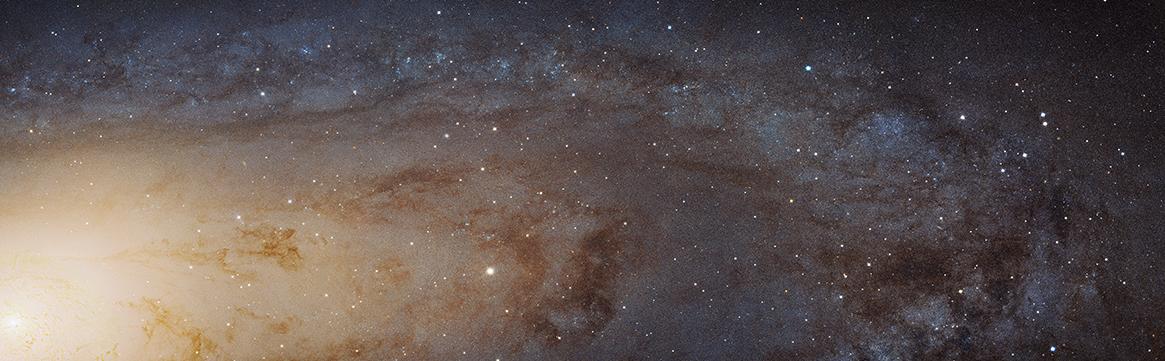
Hubble’s High-Definition Panoramic View of the Andromeda Galaxy
2017-12-08 · NASA Image and Video Library
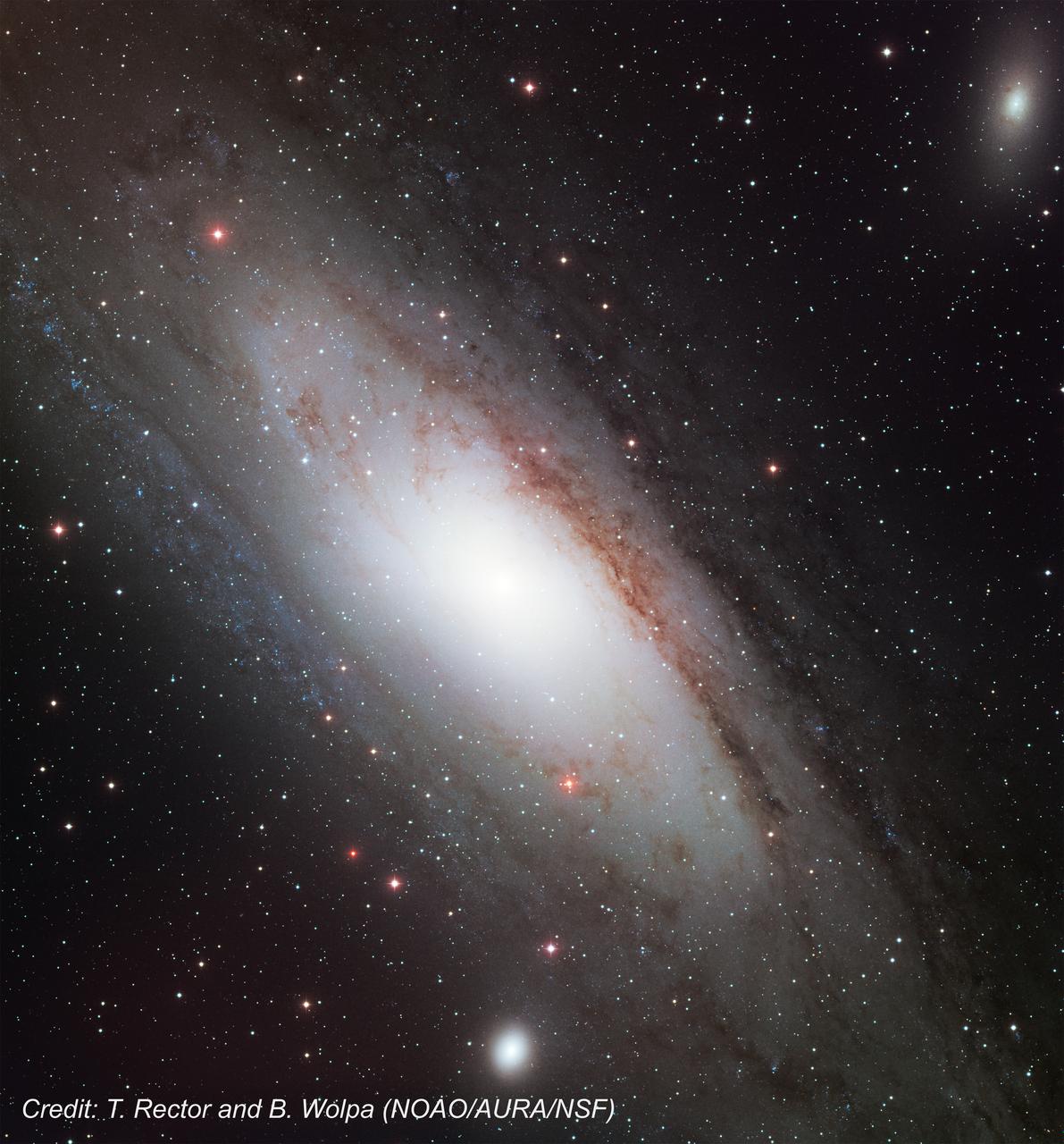
Rare Ultra-blue Stars Found in Neighboring Galaxy's Hub
2017-12-08 · NASA Image and Video Library

Andromeda Galaxy
2003-12-10 · NASA Image and Video Library

The Infrared Face of the Andromeda Galaxy
2024-05-09 · NASA Image and Video Library
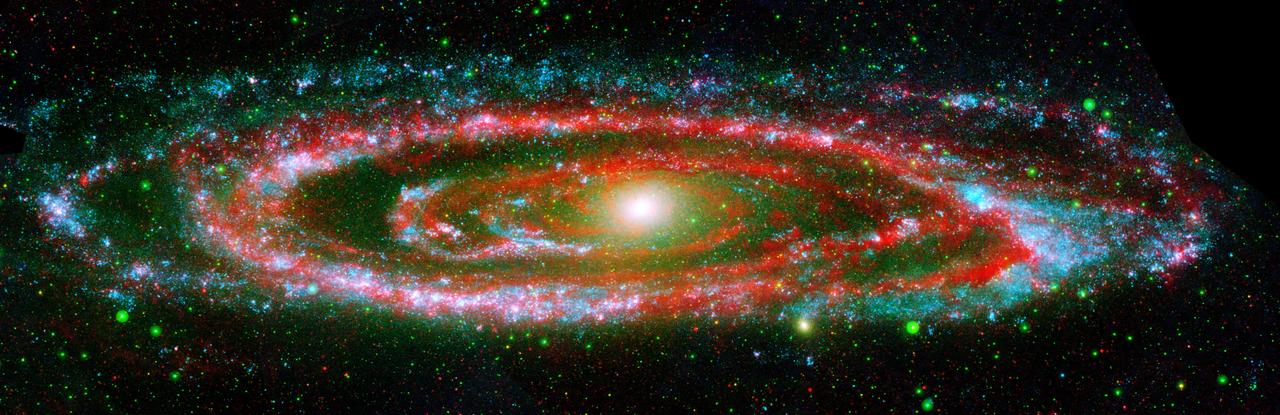
Amazing Andromeda Galaxy
2006-09-28 · NASA Image and Video Library

Hubble 25
2017-12-08 · NASA Image and Video Library
Hubble’s Journey to the Center of our Galaxy
2017-12-08 · NASA Image and Video Library
Andromeda
2012-05-16 · NASA Image and Video Library