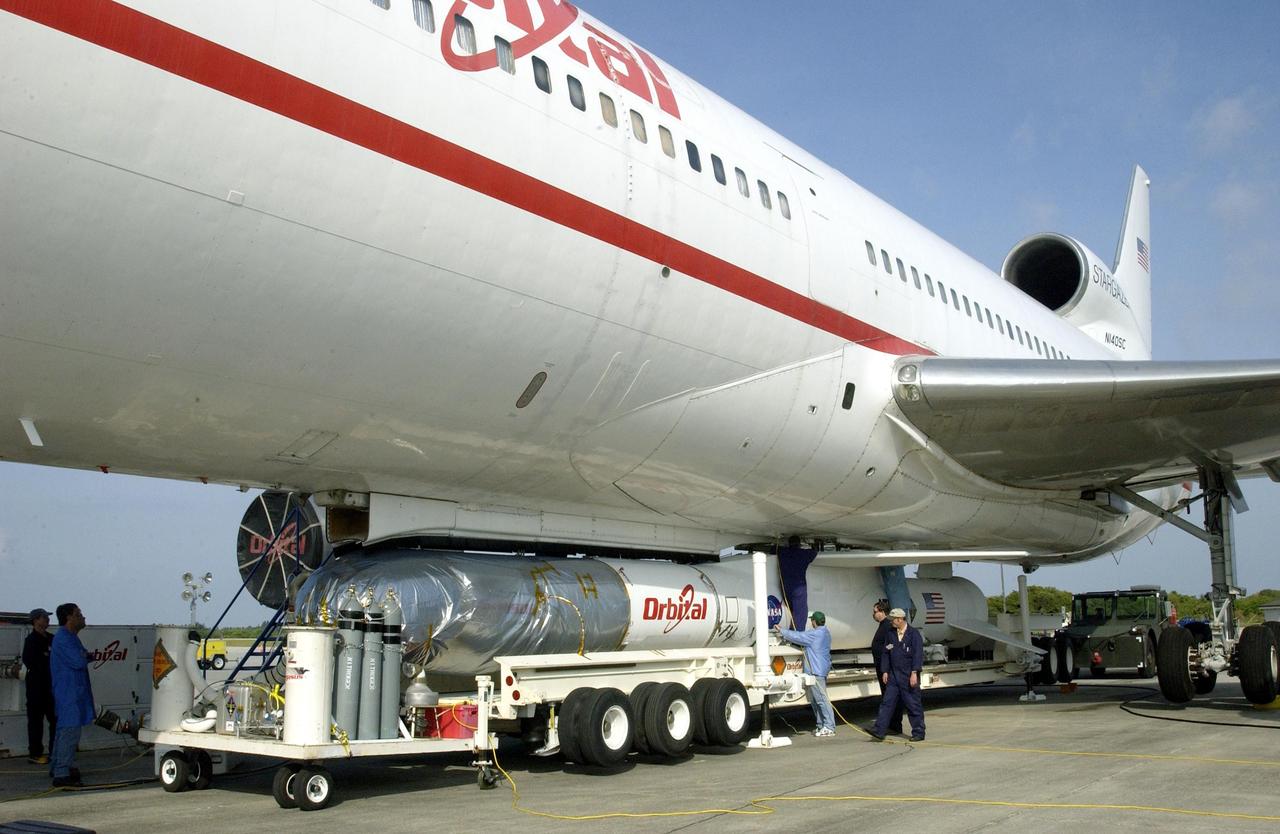
KSC-03pd1245
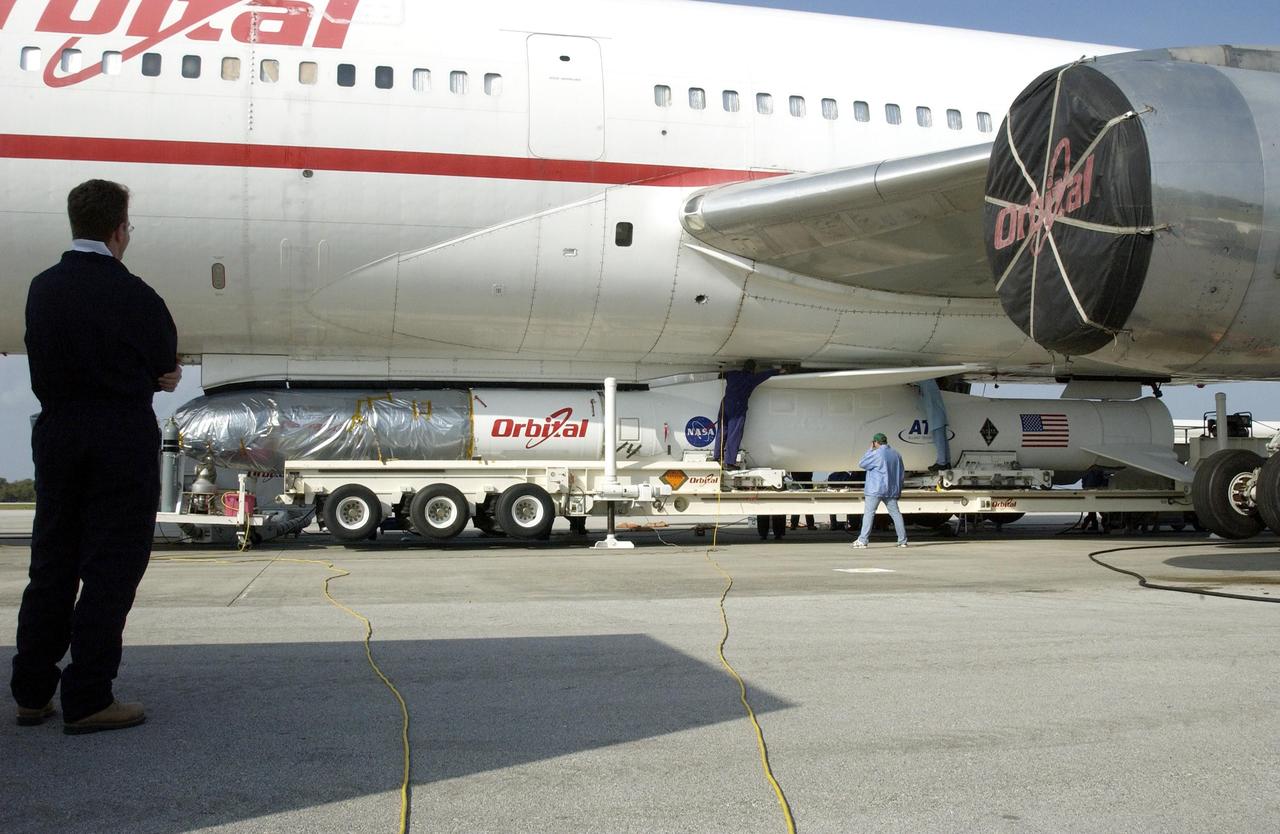
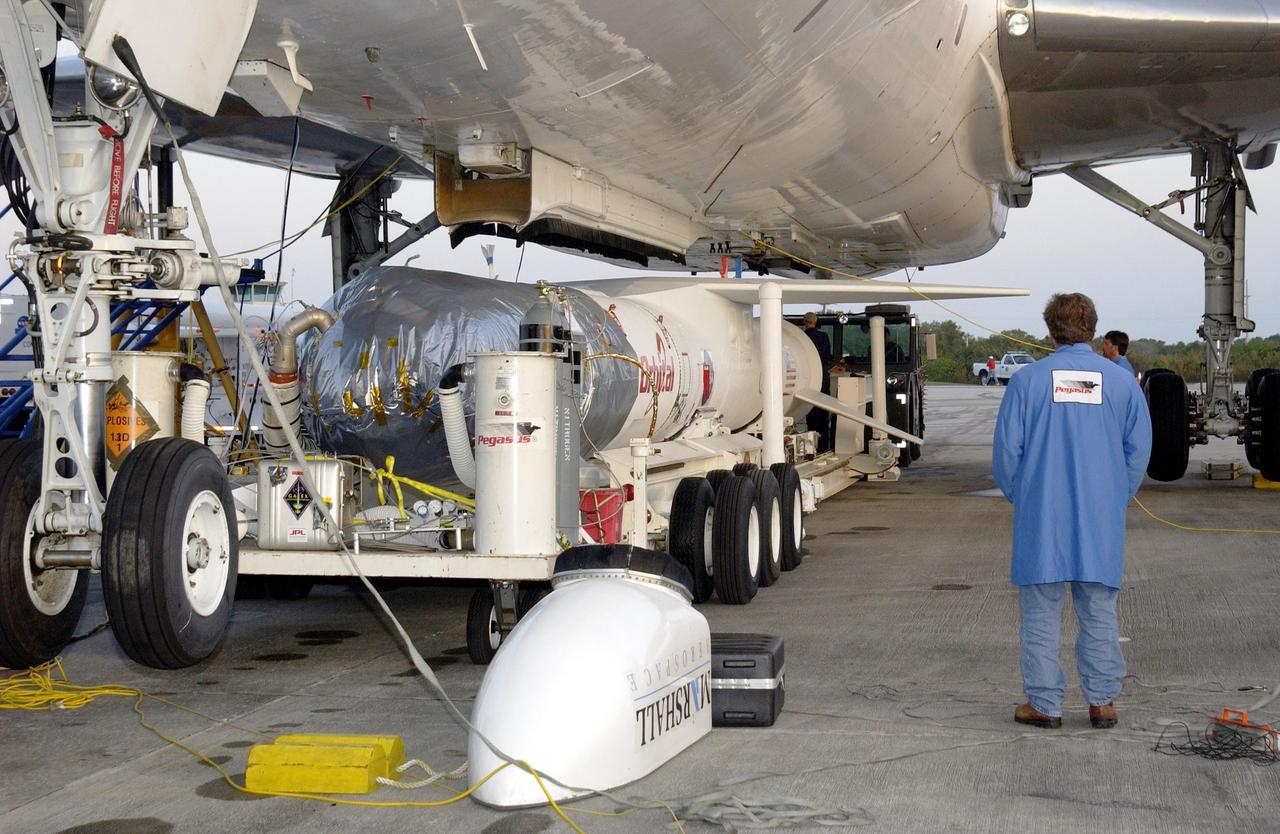
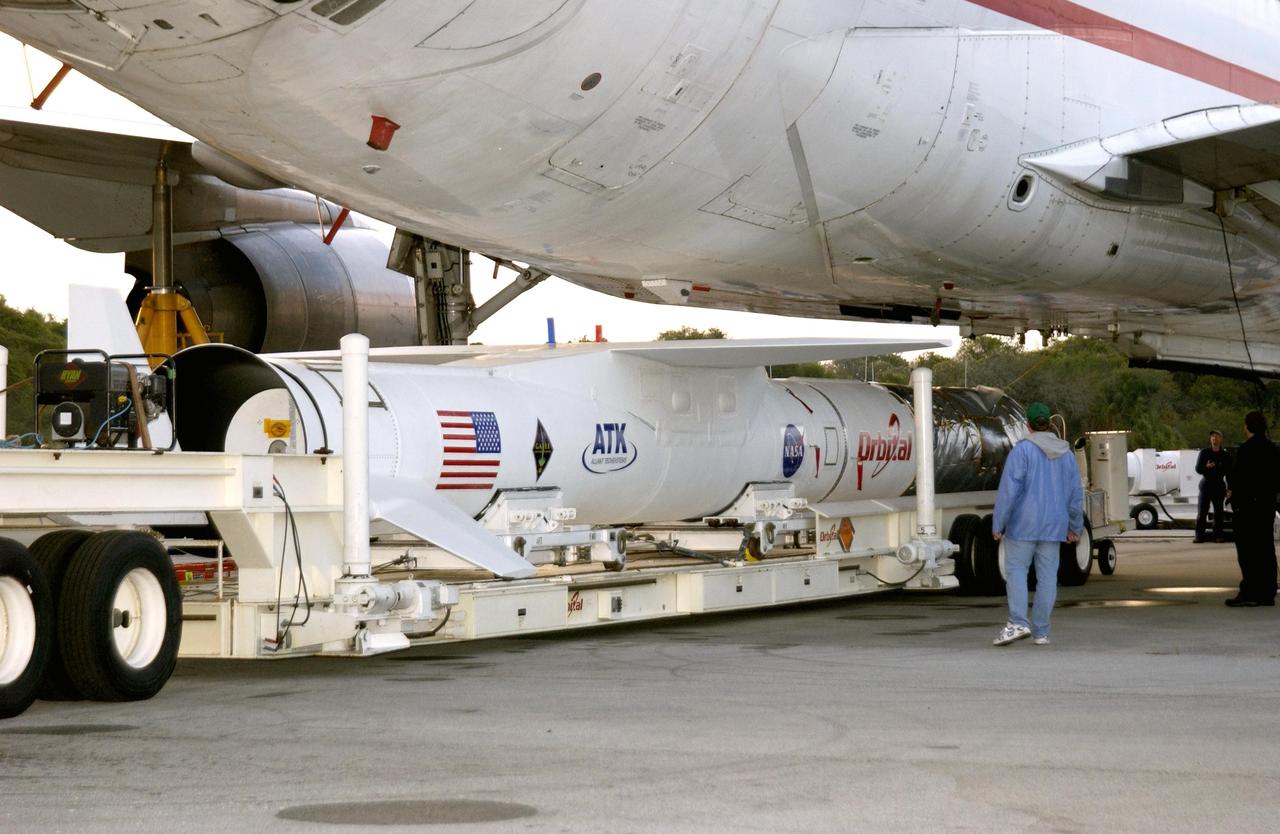
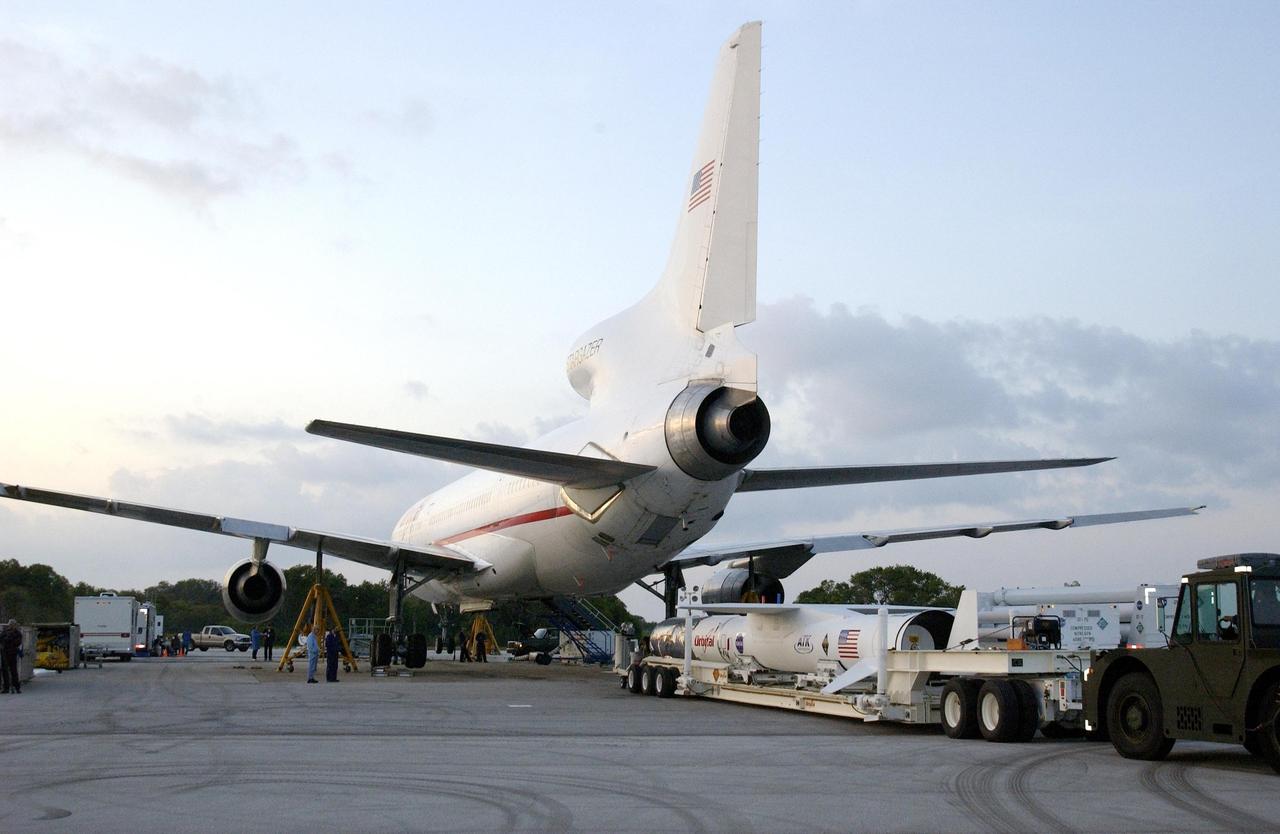
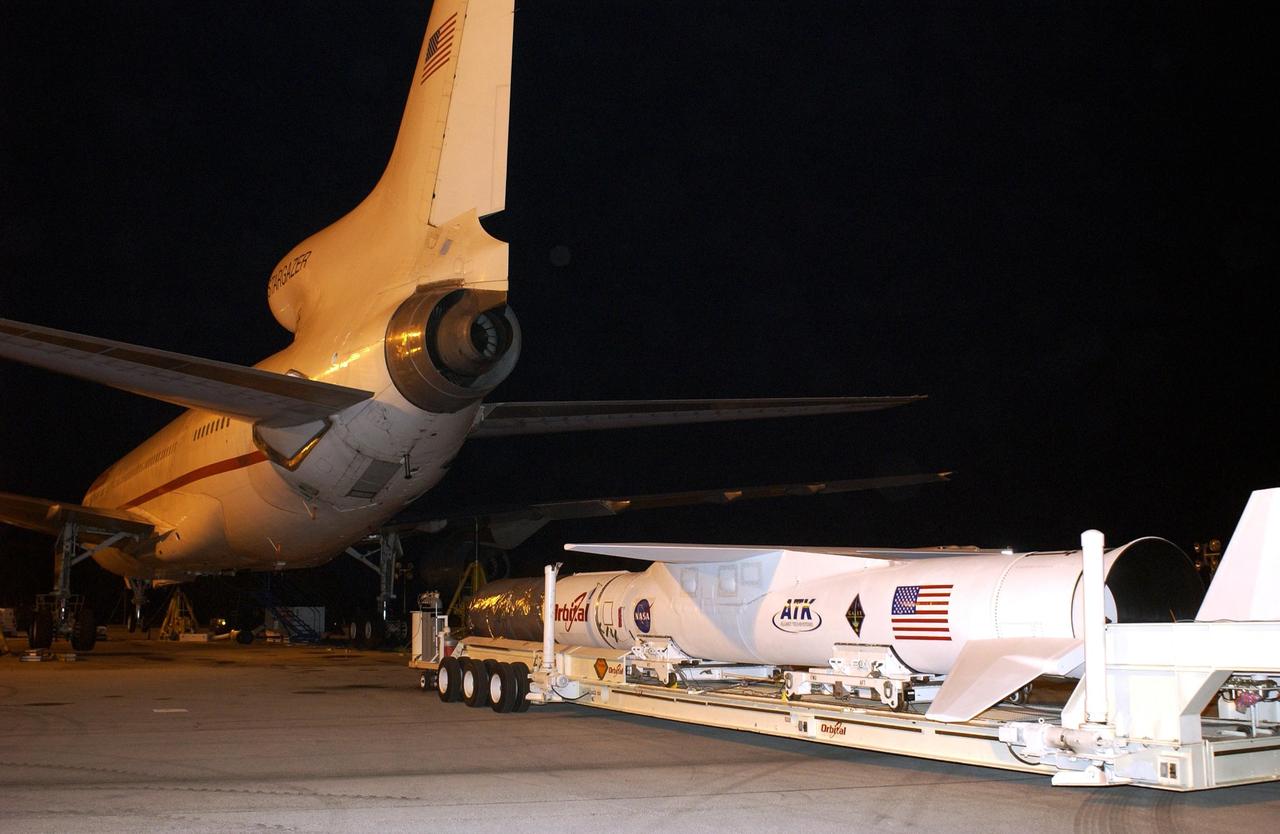
KENNEDY SPACE CENTER, FLA. - At Cape Canaveral Air Force Station, workers finish attaching the mated Pegasus XL and Galaxy Evolution Explorer (GALEX) satellite to the Orbital Sciences L-1011 aircraft. The GALEX, to be launched April 28 from the L-1011, will carry into space an orbiting telescope that will observe a million galaxies across 10 billion years of cosmic history to help astronomers determine when the stars and elements we see today had their origins. The spacecraft will sweep the skies for 28 months using state-of-the-art ultraviolet detectors to single out galaxies dominated by young, hot, short-lived stars that give off a great deal of energy at that wavelength. These galaxies are actively creating stars, and therefore provide a window into the history and causes of star formation in galaxies.
- Date
- 2003-04-24
- Collection
- KSC
- Archive
- NASA Image and Video Library
- Type
- photograph
Public domainsafest
Reason: a NASA work: not copyrighted in the United States.
Read from: NASA media usage guidelines: NASA material is not copyrighted in the US unless noted; no third-party credit or mark found.
Credit line
"KSC-03pd1245" (2003-04-24). NASA/KSC. Public domain. https://images.nasa.gov/details/KSC-03pd1245Need photos for a whole script? Add Find Any Photo to Claude and ask for this one by its id: 16359.
More like this
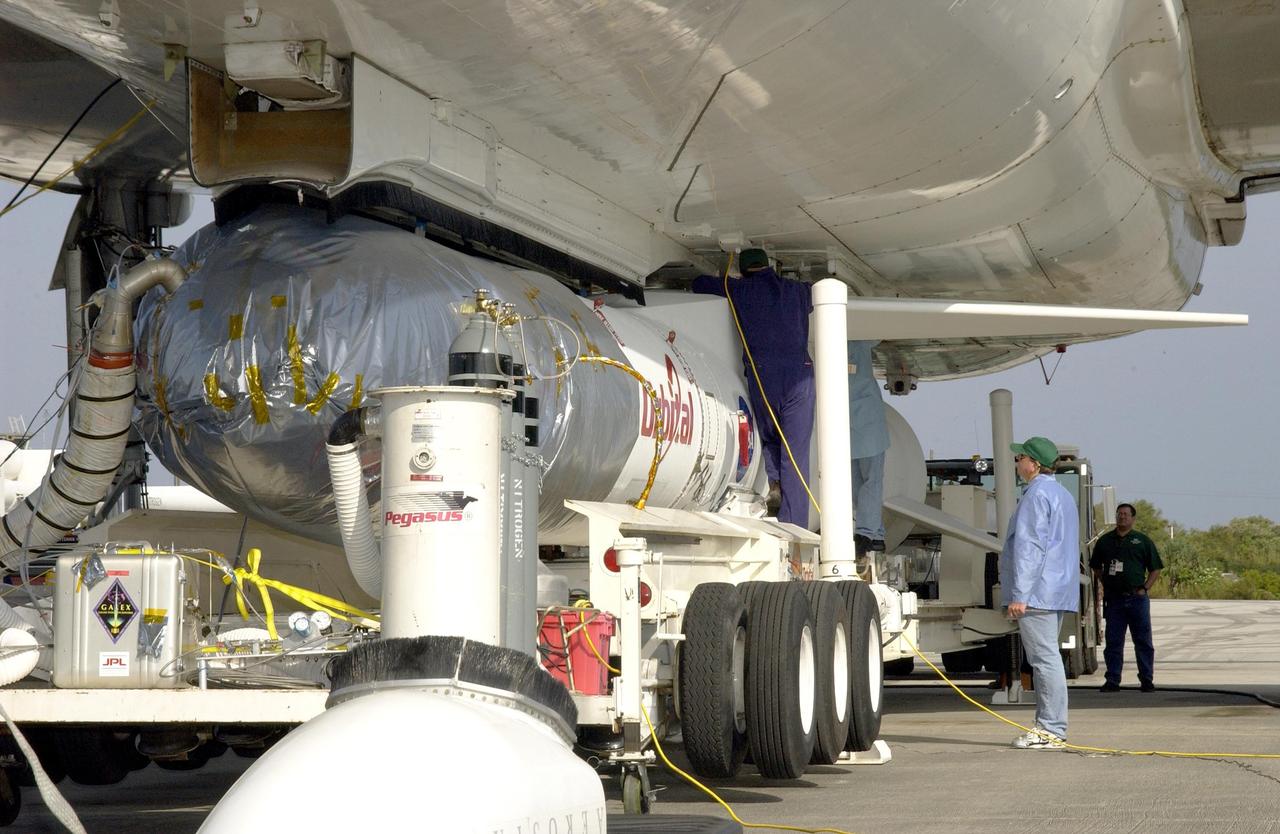
KSC-03pd1246
2003-04-24 · NASA Image and Video Library
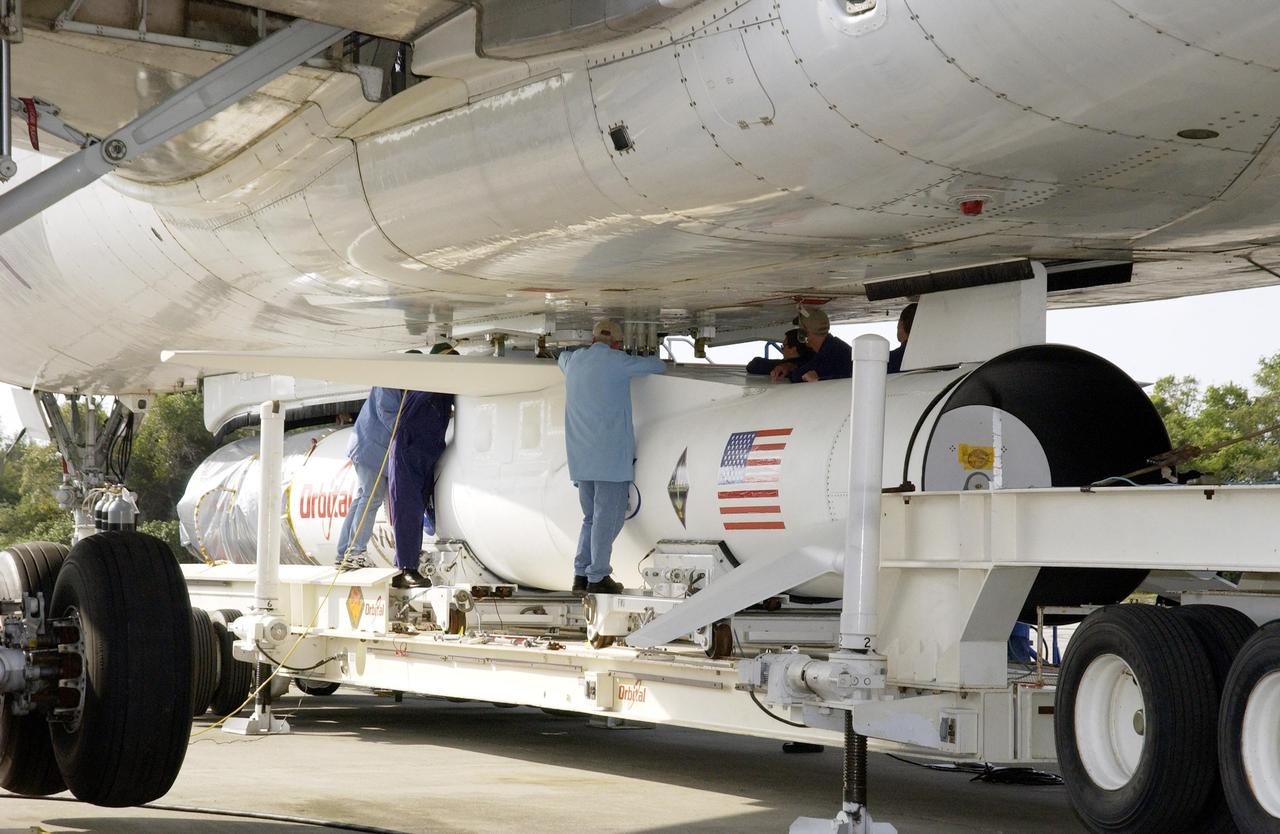
KSC-03pd1244
2003-04-24 · NASA Image and Video Library
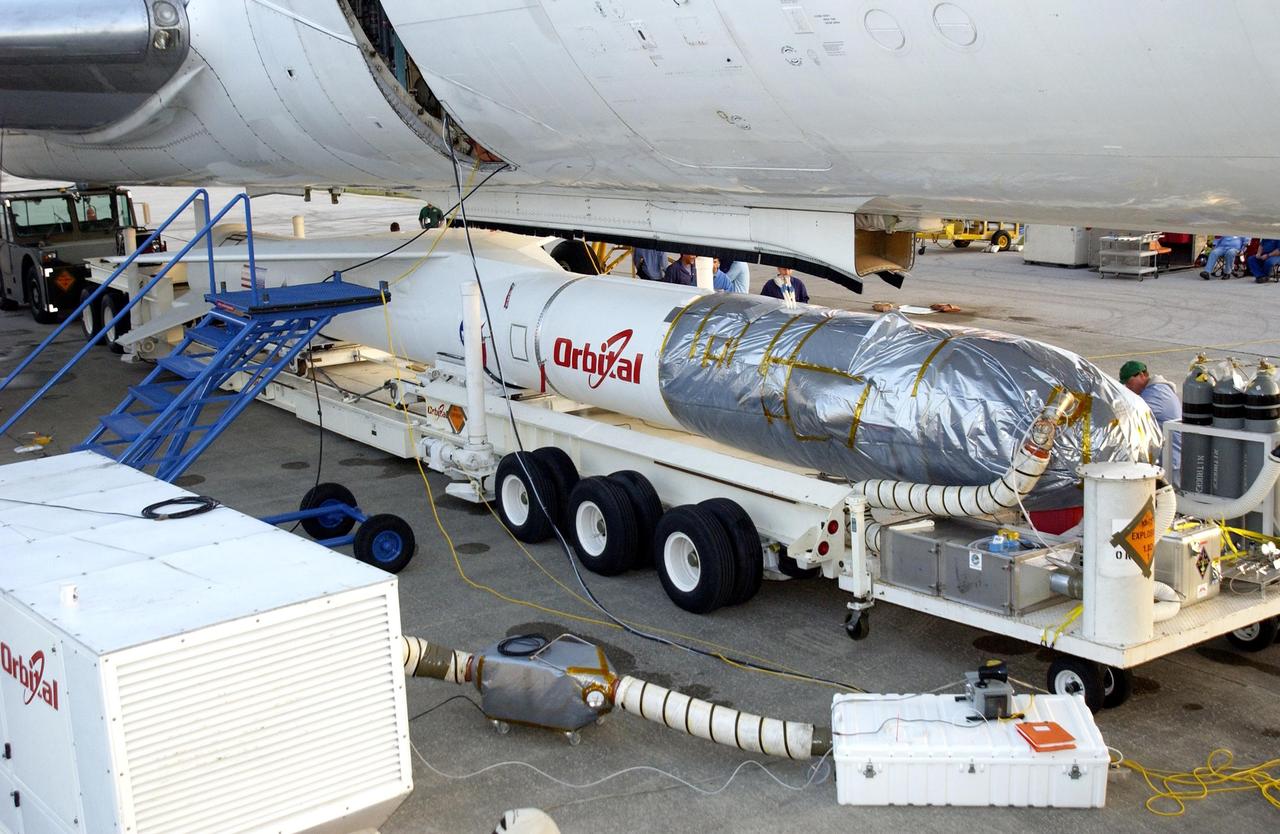
KSC-03pd1243
2003-04-24 · NASA Image and Video Library
KSC-03pd1247
2003-04-24 · NASA Image and Video Library
KSC-03pd1242
2003-04-24 · NASA Image and Video Library
KSC-03pd1241
2003-04-24 · NASA Image and Video Library
KSC-03pd1240
2003-04-24 · NASA Image and Video Library
KSC-03pd1239
2003-04-24 · NASA Image and Video Library