
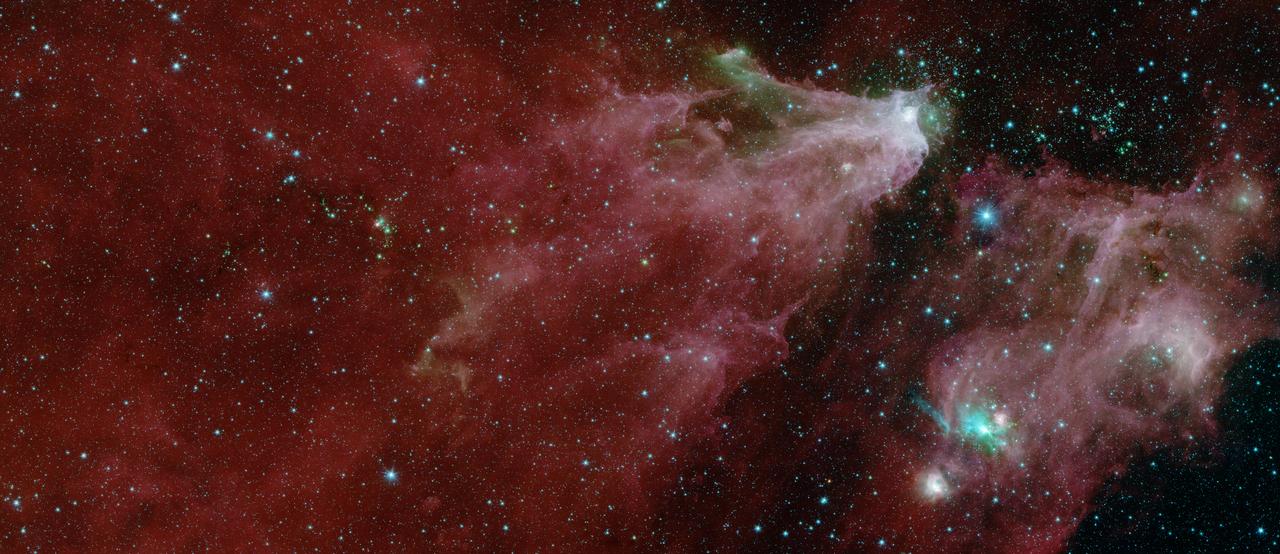
Cepheus C and Cepheus B Region by Spitzer (Two-Instrument)
This image was compiled using data from NASA's Spitzer Space Telescope using the Infrared Array Camera (IRAC) and the Multiband Imaging Photometer (MIPS) during Spitzer's "cold" mission, before the spacecraft's liquid helium coolant ran out in 2009. The colors correspond with IRAC wavelengths of 3.6 microns (blue), 4.5 microns (cyan) and 8 microns (green), and 24 microns (red) from the MIPS instrument. The green-and-orange delta filling most of this image is a nebula, or a cloud of gas and dust. This region formed from a much larger cloud of gas and dust that has been carved away by radiation from stars. The bright region at the tip of the nebula is dust that has been heated by the stars' radiation, which creates the surrounding red glow. The white color is the combination of four colors (blue, green, orange and red), each representing a different wavelength of infrared light, which is invisible to human eyes. The massive stars illuminating this region belong to a star cluster that extends above the white spot. On the left side of this image, a dark filament runs horizontally through the green cloud. A smattering of baby stars (the red and yellow dots) appear inside it. Known as Ce
- Date
- 2019-05-30
- Photographer / author
- NASA/JPL-Caltech
- Collection
- JPL
- Archive
- NASA Image and Video Library
- Type
- photograph
Public domainsafest
Reason: a NASA work: not copyrighted in the United States.
Read from: NASA media usage guidelines: NASA material is not copyrighted in the US unless noted; no third-party credit or mark found.
Credit line
"Cepheus C and Cepheus B Region by Spitzer (Two-Instrument)" (2019-05-30). NASA/JPL/NASA/JPL-Caltech. Public domain. https://images.nasa.gov/details/PIA23126Need photos for a whole script? Add Find Any Photo to Claude and ask for this one by its id: 25132.
More like this
Cepheus C and Cepheus B Region by Spitzer (One-Instrument)
2019-05-30 · NASA Image and Video Library
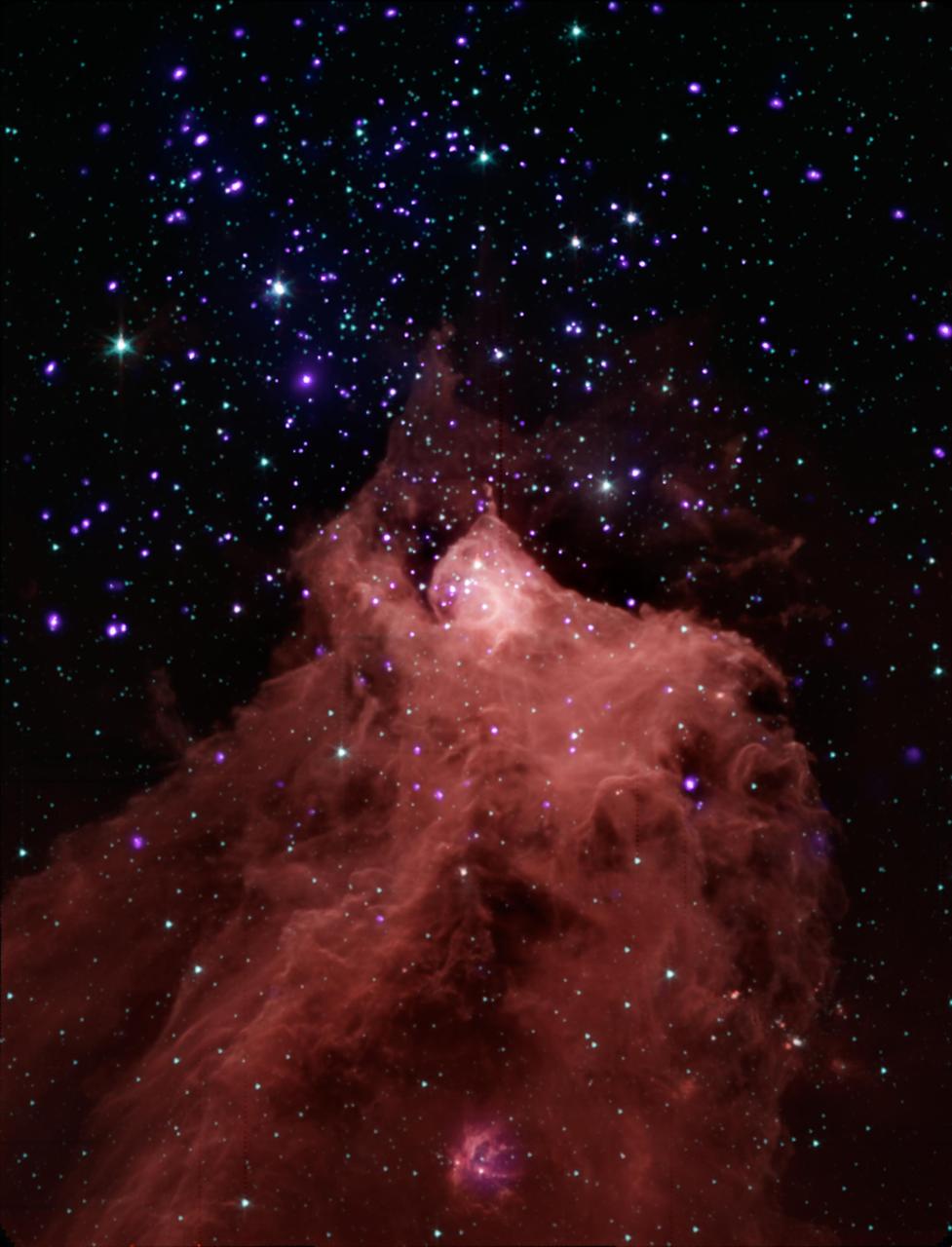
Trigger-Happy Cloud
2009-08-12 · NASA Image and Video Library
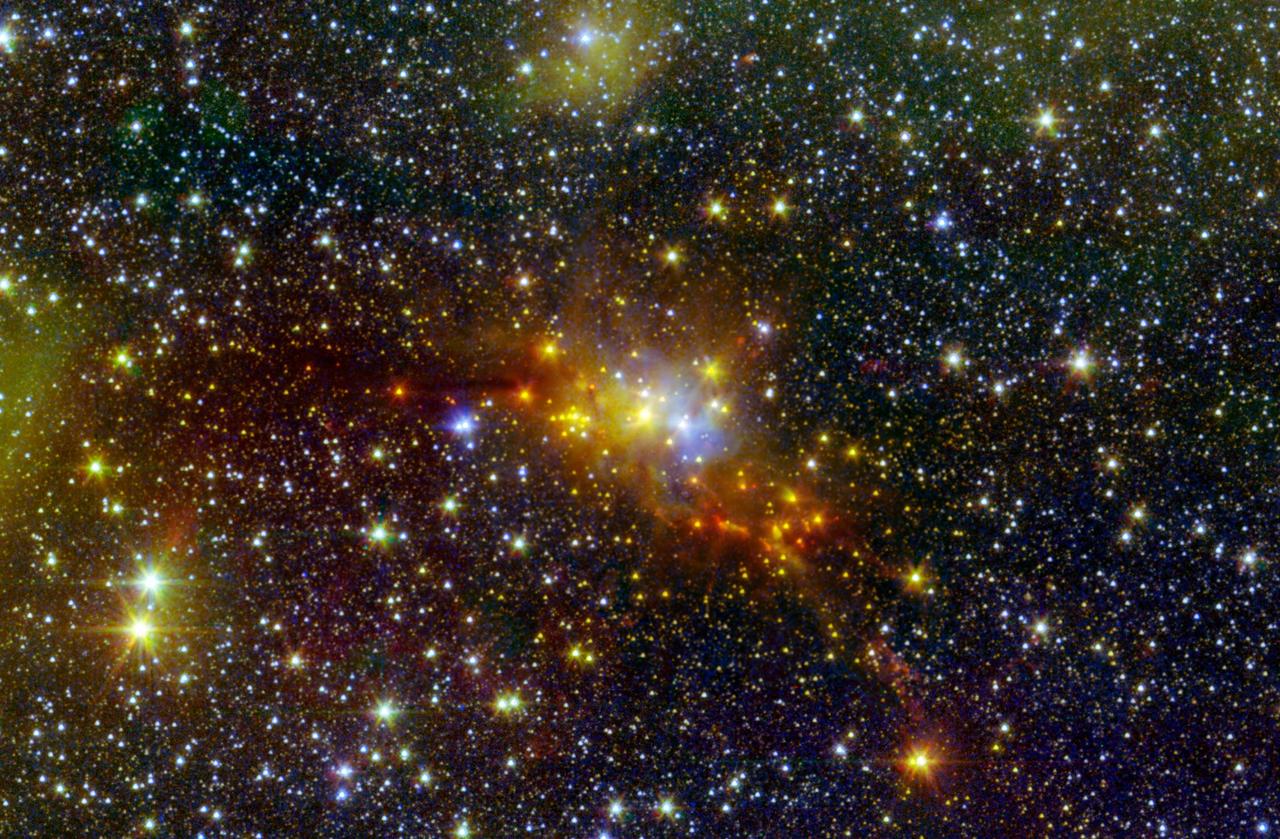
The Serpent Star-Forming Cloud Spawns Stars
2014-05-28 · NASA Image and Video Library
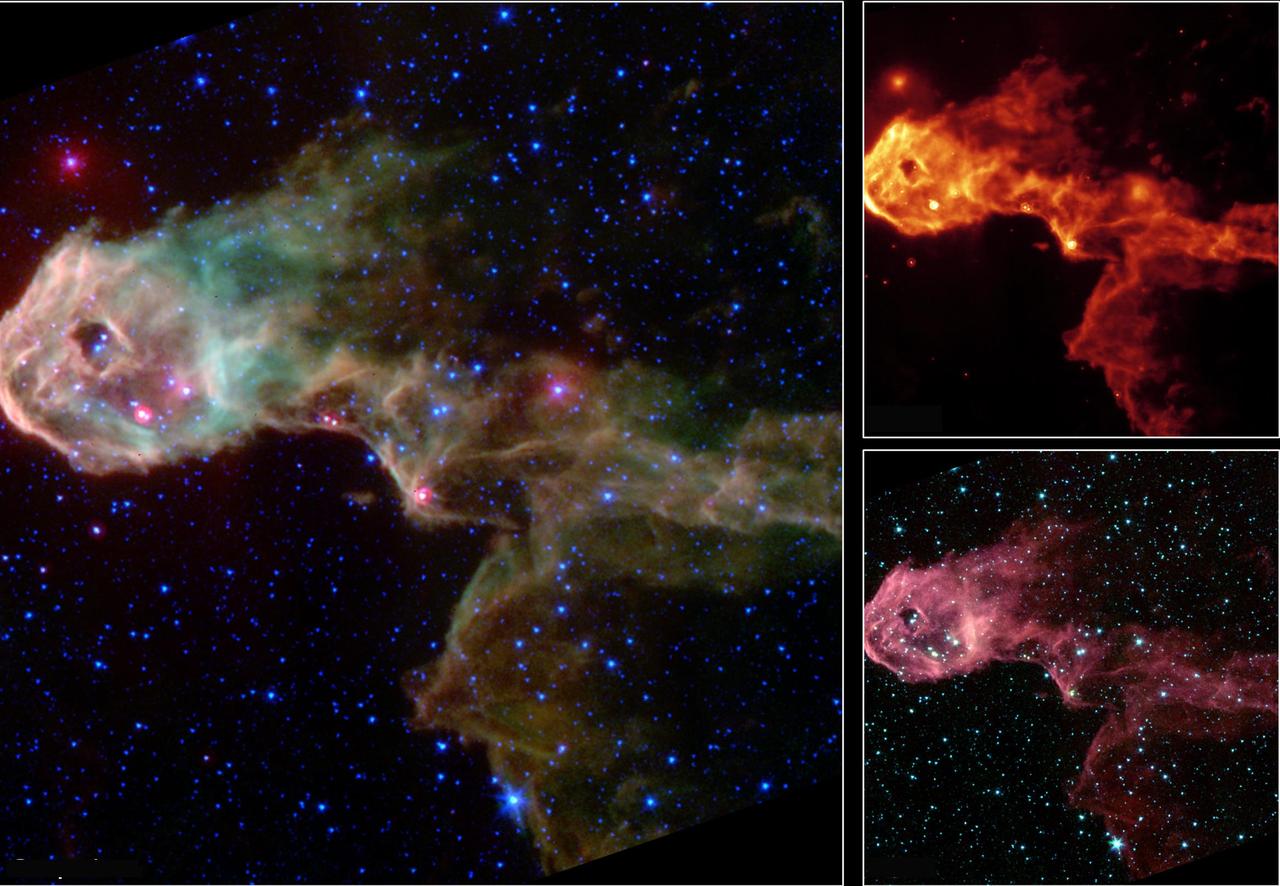
Multi-Wavelength Views of Protostars in IC 1396
2003-12-18 · NASA Image and Video Library
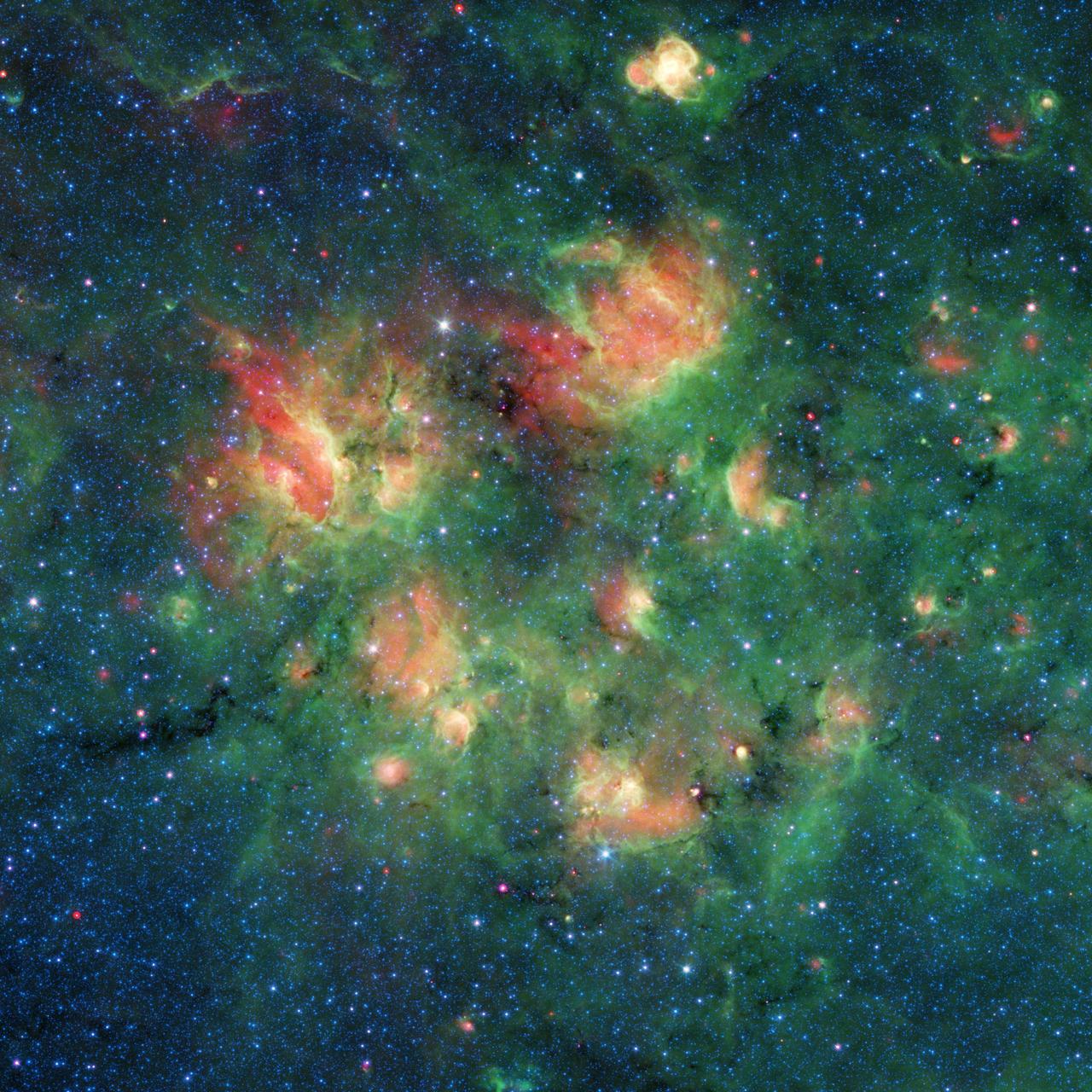
Spitzer Spots Bubbles and Bow Shocks
2019-09-30 · NASA Image and Video Library
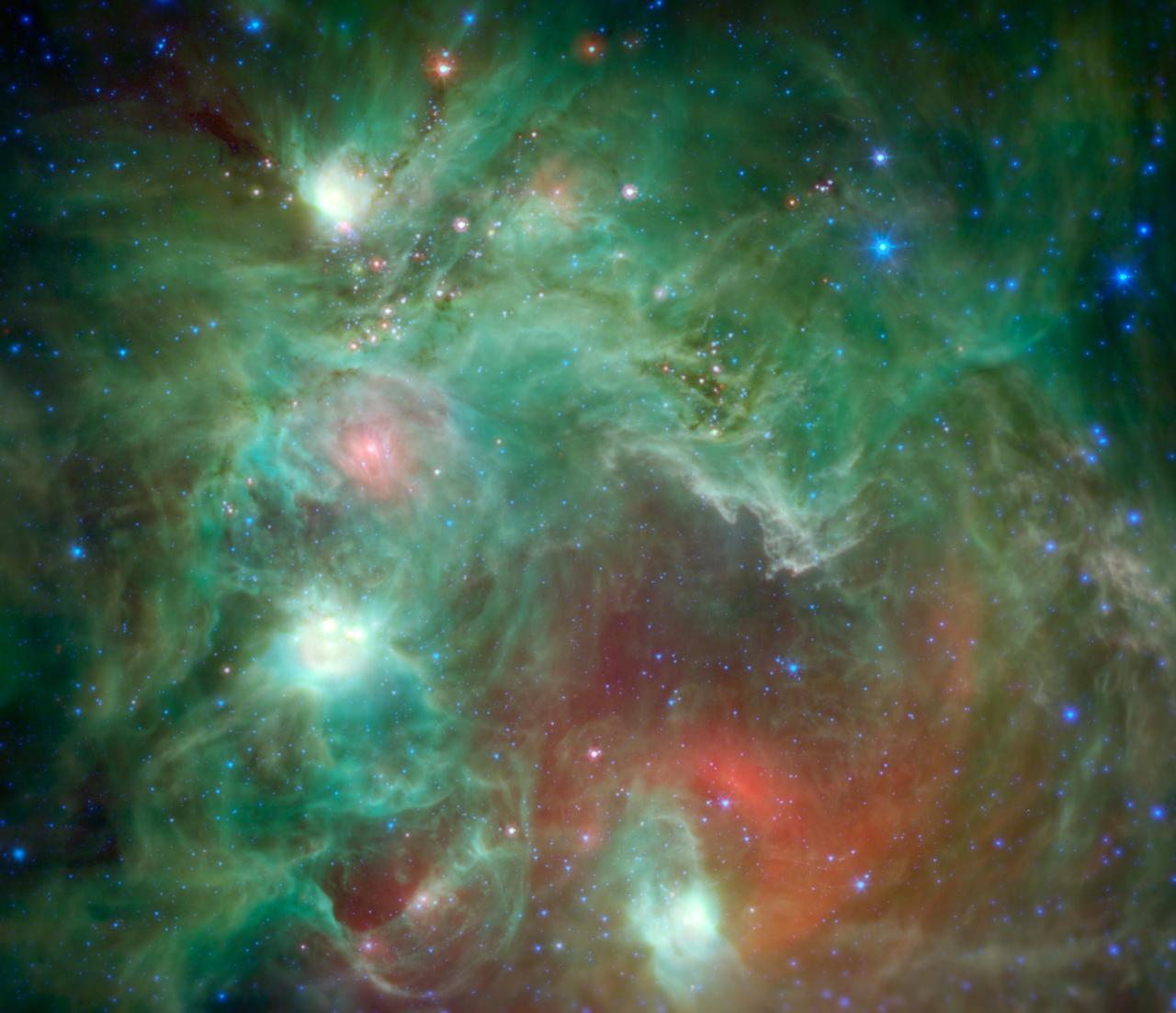
Seeing Beyond the Monkey Head
2015-08-20 · NASA Image and Video Library
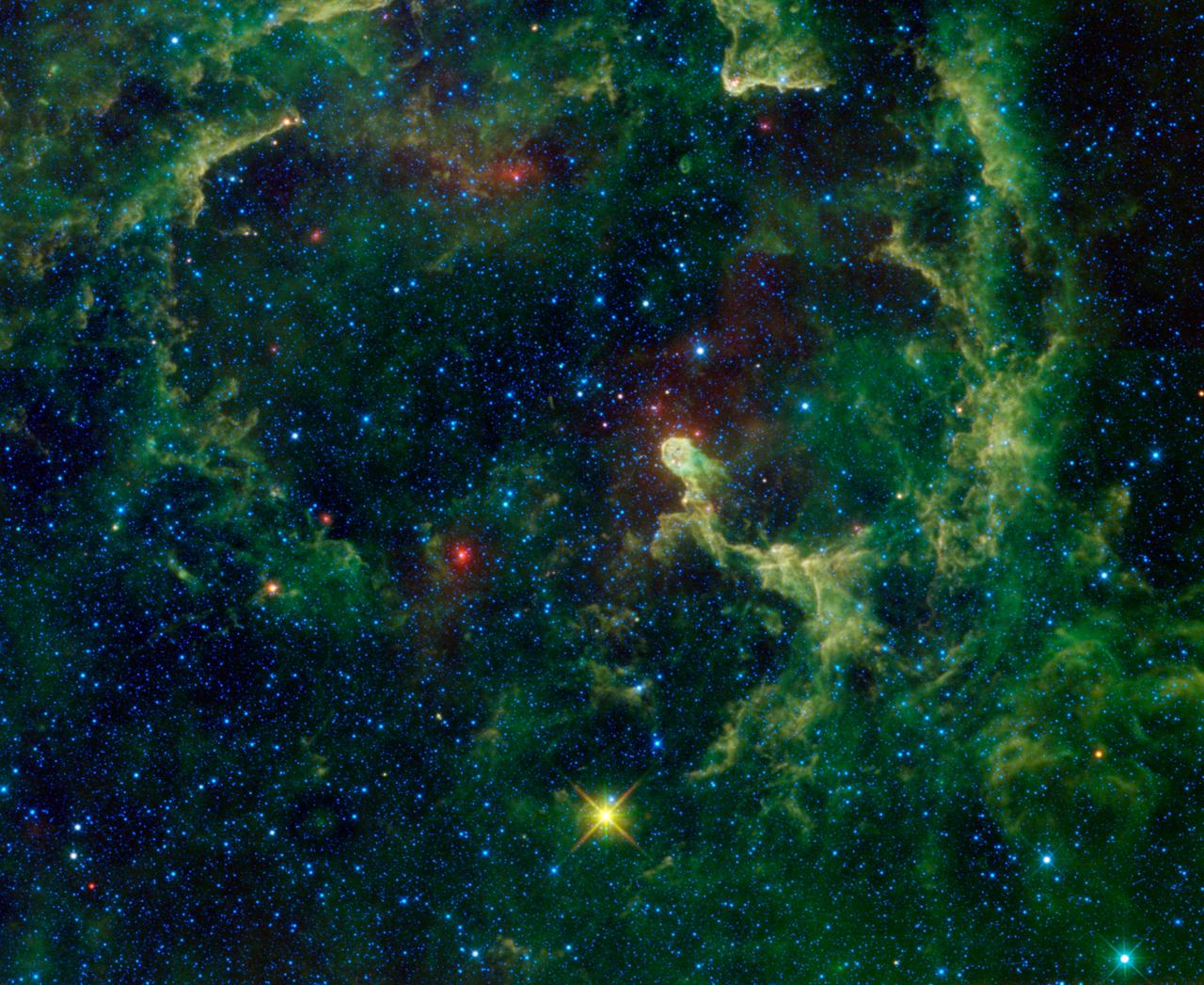
Blowin in the Stellar Wind
2011-06-13 · NASA Image and Video Library
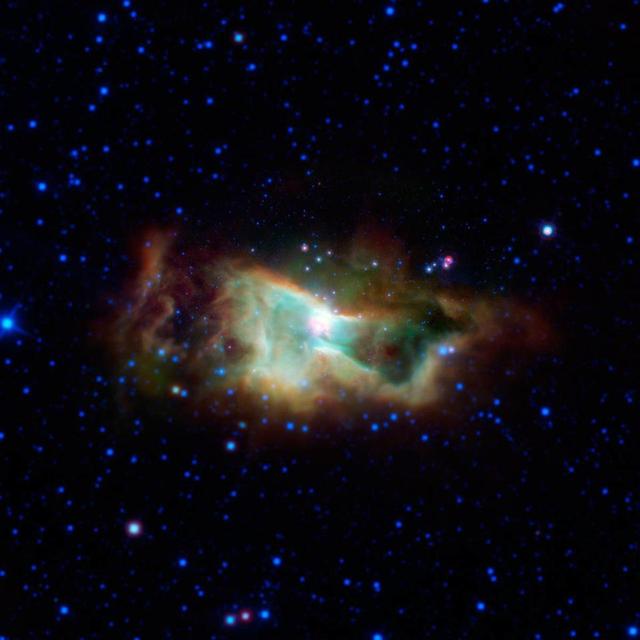
Infrared Iris
2013-05-24 · NASA Image and Video Library