History of Hubble Space Telescope (HST)
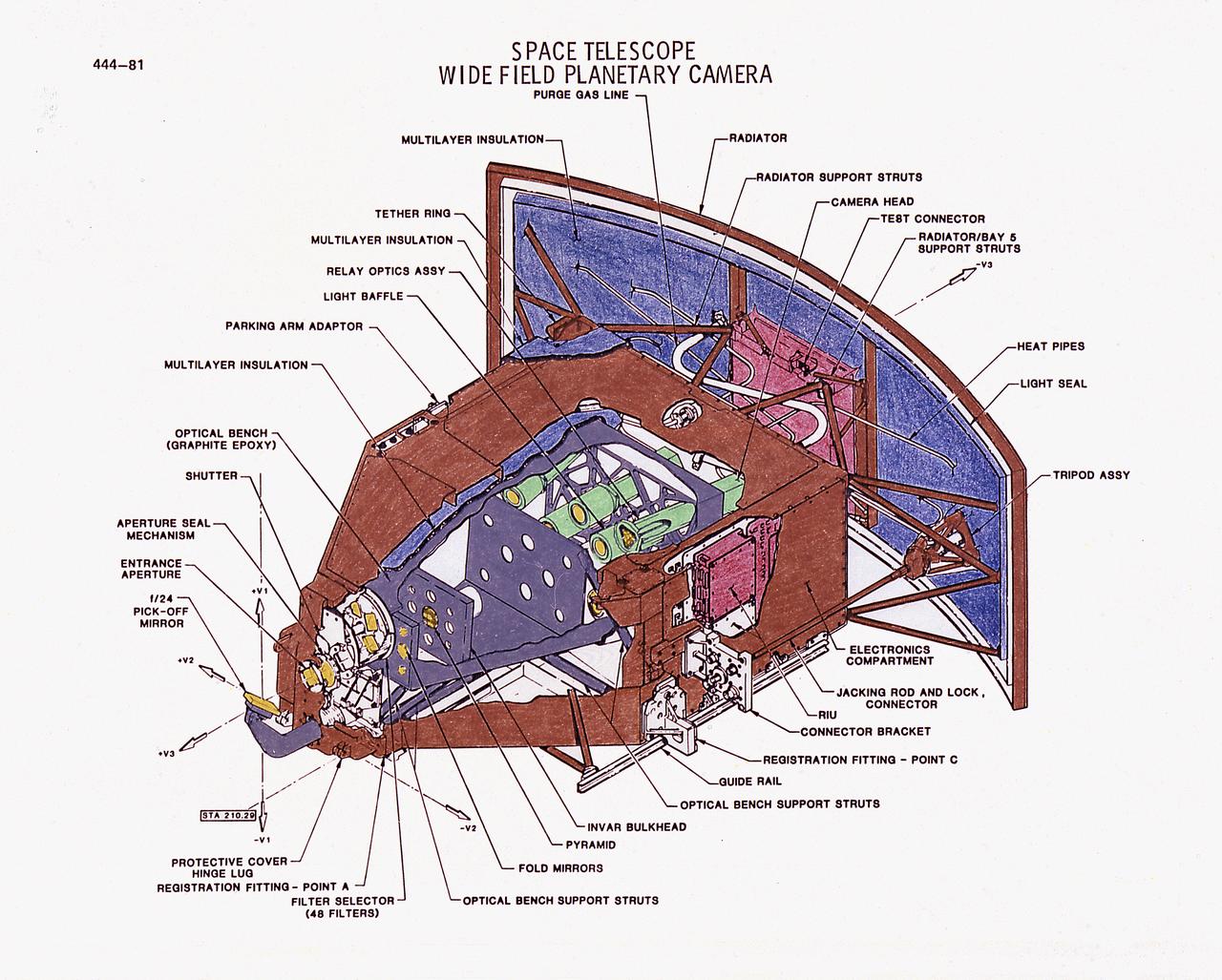
This illustration is a diagram of the Hubble Space Telescope's (HST's), Wide Field Planetary Camera (WF/PC), one of the five Scientific Instruments. The WF/PC uses a four-sided pyramid mirror to split a light image into quarters. It then focuses each quadrant onto one of two sets of four sensors. The sensors are charge-coupled detectors and function as the electronic equivalent of extremely sensitive photographic plates. The WF/PC operates in two modes. The Wide-Field mode that will view 7.2-arcmin sections of the sky, and the Planetary mode that will look at narrower fields of view, such as planets or areas within other galaxies. The purpose of the HST, the most complex and sensitive optical telescope ever made, is to study the cosmos from a low-Earth orbit. By placing the telescope in space, astronomers are able to collect data that is free of the Earth's atmosphere. The HST detects objects 25 times fainter than the dimmest objects seen from Earth and provides astronomers with an observable universe 250 times larger than visible from ground-based telescopes, perhaps as far away as 14 billion light-years. The HST views galaxies, stars, planets, comets, possibly other solar systems
- Date
- 1981-01-01
- Collection
- MSFC
- Archive
- NASA Image and Video Library
- Type
- illustration (NASA artwork)
Public domainsafest
Reason: a NASA work: not copyrighted in the United States.
Read from: NASA media usage guidelines: NASA material is not copyrighted in the US unless noted; no third-party credit or mark found.
Credit line
"History of Hubble Space Telescope (HST)" (1981-01-01). NASA/MSFC. Public domain. https://images.nasa.gov/details/8113711Need photos for a whole script? Add Find Any Photo to Claude and ask for this one by its id: 17149.
More like this
History of Hubble Space Telescope (HST)
1981-01-01 · NASA Image and Video Library
History of Hubble Space Telescope (HST)
1981-01-01 · NASA Image and Video Library
History of Hubble Space Telescope (HST)
1981-01-01 · NASA Image and Video Library
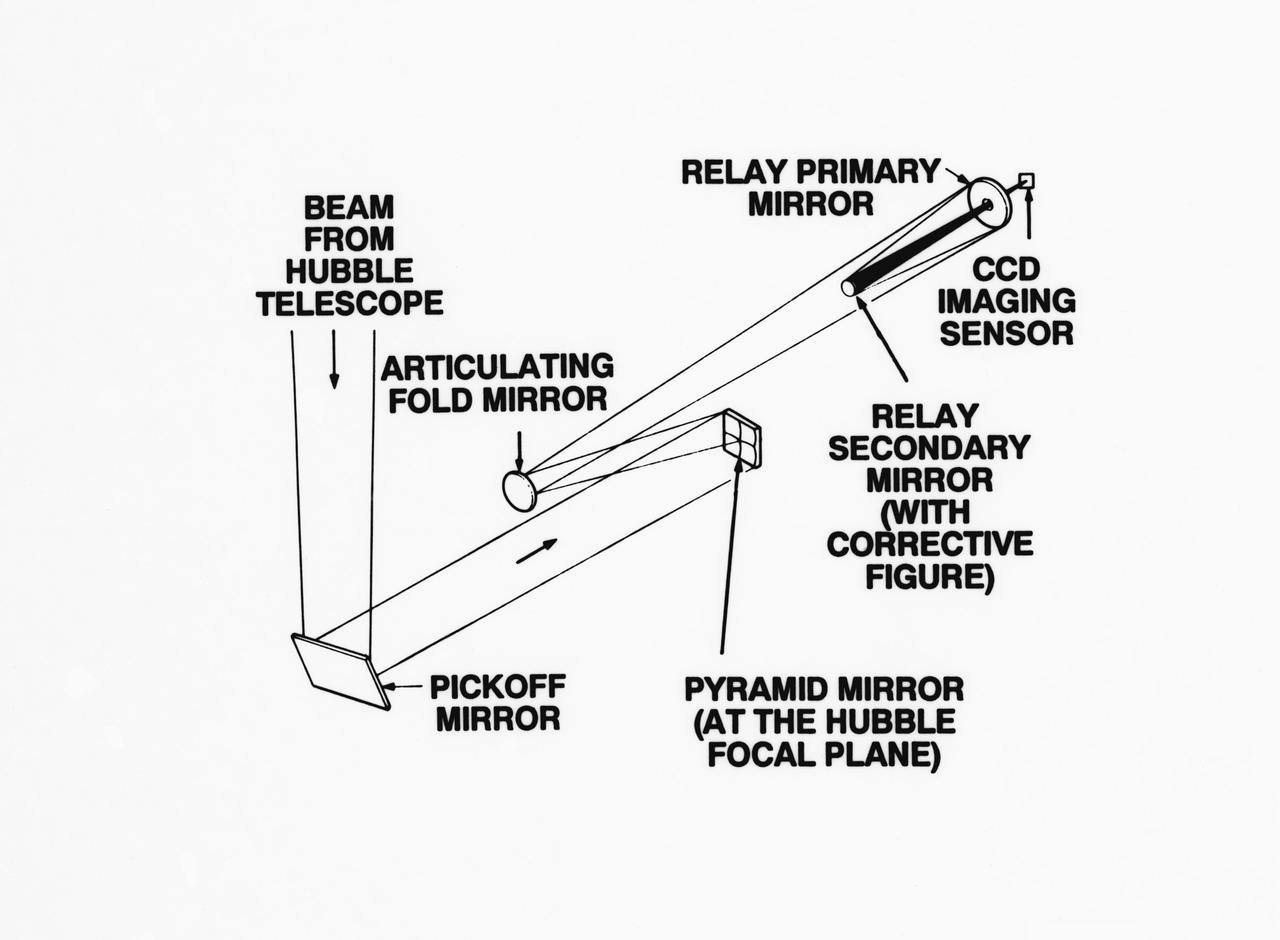
Schematic diagram of light path in Wide Field Planetary Camera 2
1993-03-15 · NASA Image and Video Library
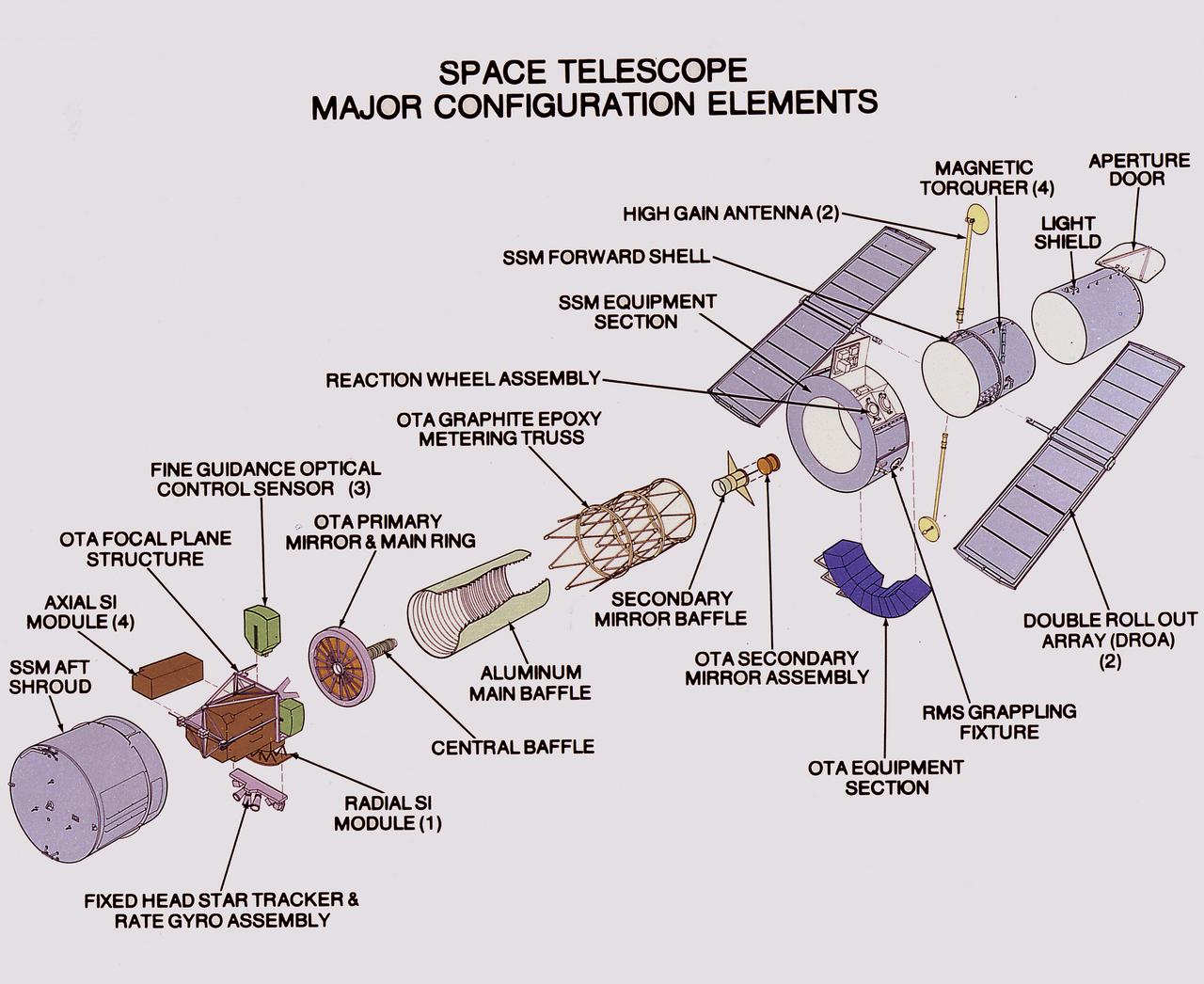
History of Hubble Space Telescope (HST)
1980-01-01 · NASA Image and Video Library
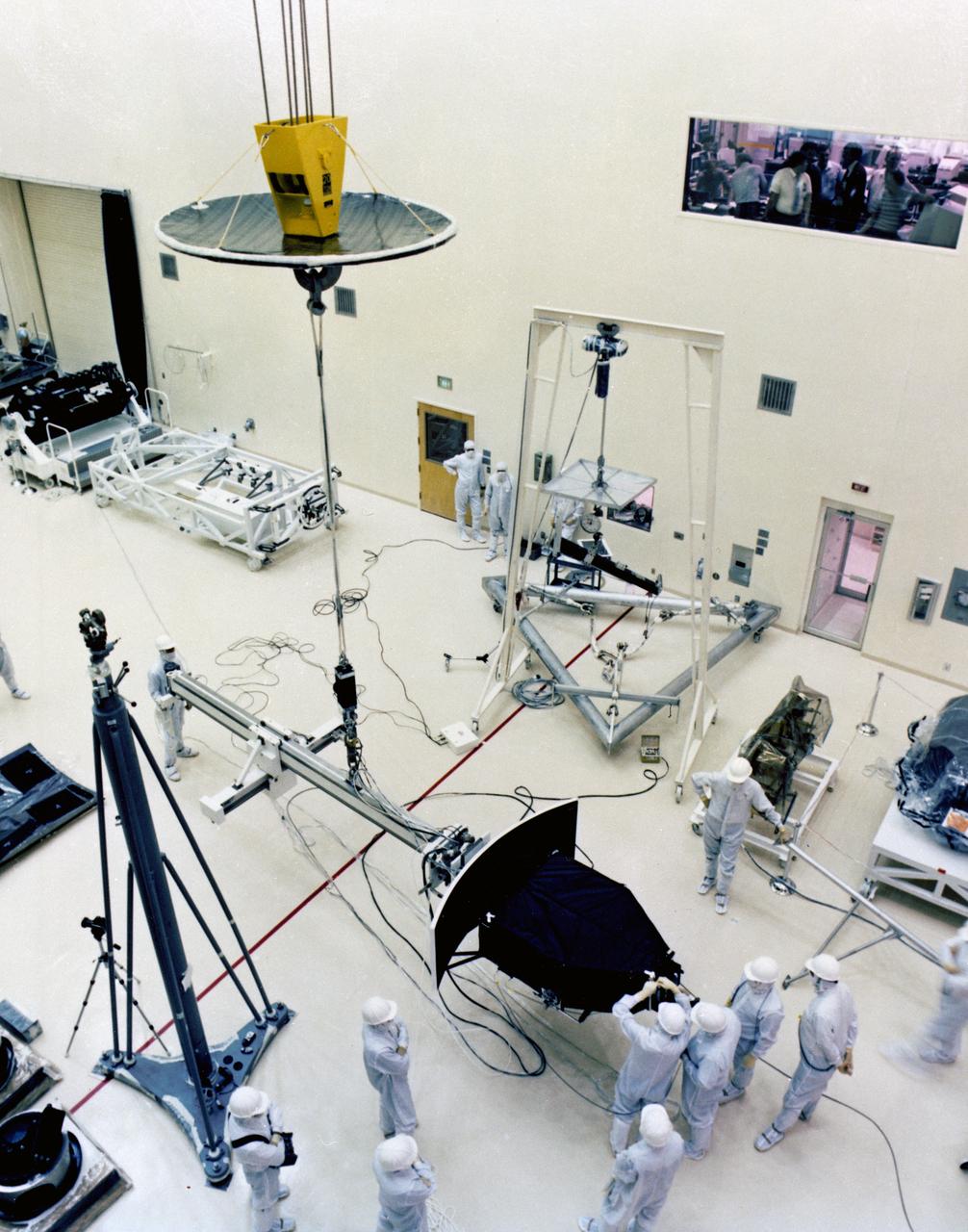
History of Hubble Space Telescope (HST)
1985-01-01 · NASA Image and Video Library
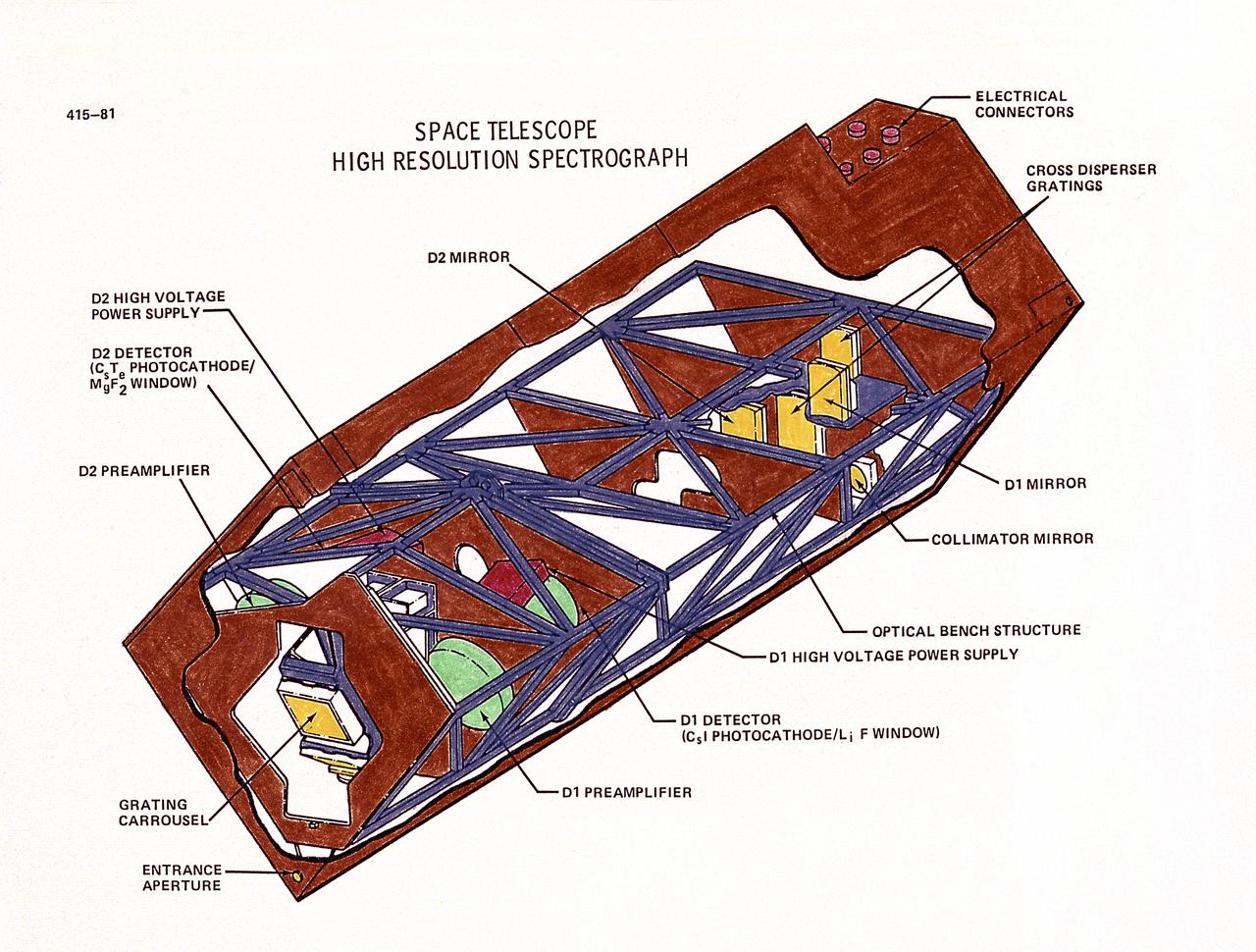
History of Hubble Space Telescope (HST)
1981-01-01 · NASA Image and Video Library

History of Hubble Space Telescope (HST)
1980-10-01 · NASA Image and Video Library