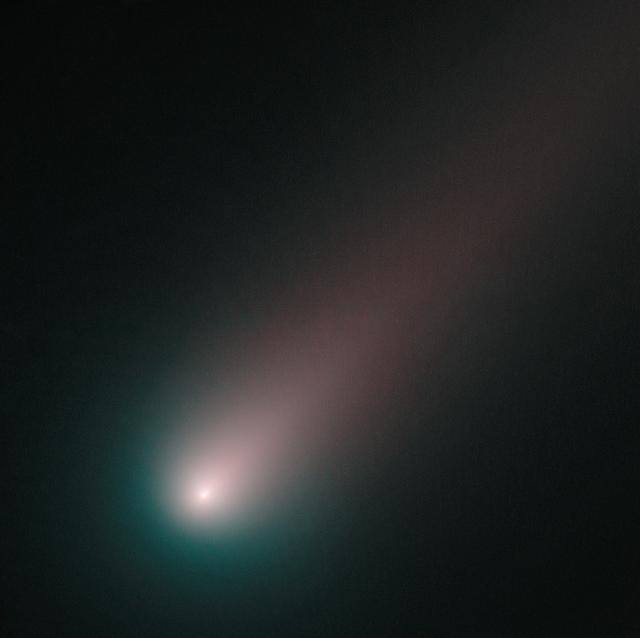
Hubble's Last Look at Comet ISON Before Perihelion
As of mid-November, ISON is officially upon us. Using Hubble, we've taken our closest look yet at the innermost region of the comet, where geysers of sublimating ice are fueling a spectacular tail. Made from observations on November 2nd, the image combines pictures of ISON taken through blue and red filters. As we expect, the round coma around ISON's nucleus is blue and the tail has a redder hue. Ice and gas in the coma reflect blue light from the Sun, while dust grains in the tail reflect more red light than blue light. This is the most color separation we've seen so far in ISON -- that's because the comet, nearer than ever to the Sun, is brighter and more structured than ever before. We've certainly come a long way since Hubble started observing Comet ISON, way back in April. Of course, our eight-month retrospective pales in comparison with ISON's own journey, which started some 10,000 years ago in the Oort cloud. ISON will come closest to the Sun on November 28, a point in its orbit known as perihelion. What's remarkable here is that the entire ISON, this awesome, shimmery space tadpole, is being produced from a dusty ball of ice estimated to be a few kilometers in diameter. Com
- Date
- 2017-12-08
- Collection
- GSFC
- Archive
- NASA Image and Video Library
- Type
- photograph
Public domainsafest
Reason: a NASA work: not copyrighted in the United States.
Read from: NASA media usage guidelines: NASA material is not copyrighted in the US unless noted; no third-party credit or mark found.
Credit line
"Hubble's Last Look at Comet ISON Before Perihelion" (2017-12-08). NASA/GSFC. Public domain. https://images.nasa.gov/details/GSFC_20171208_Archive_e001315Need photos for a whole script? Add Find Any Photo to Claude and ask for this one by its id: 17713.
More like this
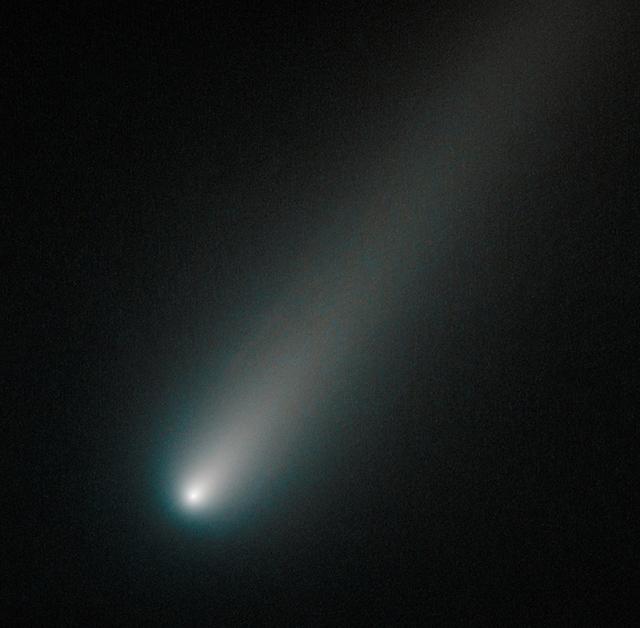
Oct. 9 Hubble View of ISON
2017-12-08 · NASA Image and Video Library

NASA Hubble Sees Comet ISON Intact
2013-10-09 · NASA Image and Video Library
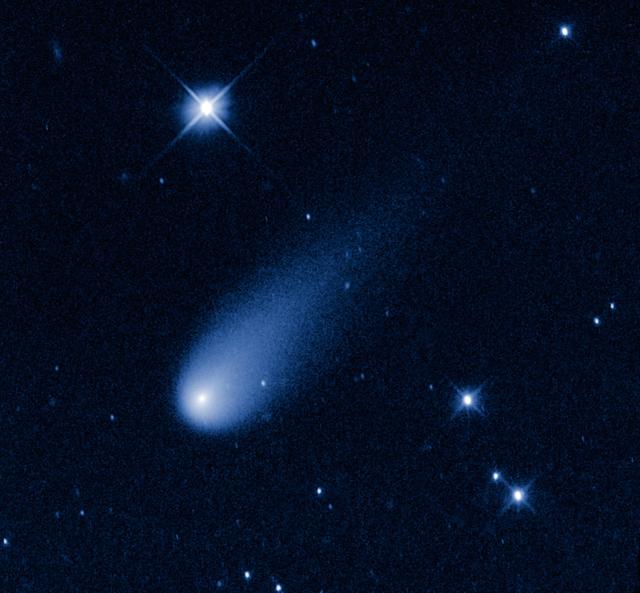
May 8 Hubble View of ISON
2017-12-08 · NASA Image and Video Library
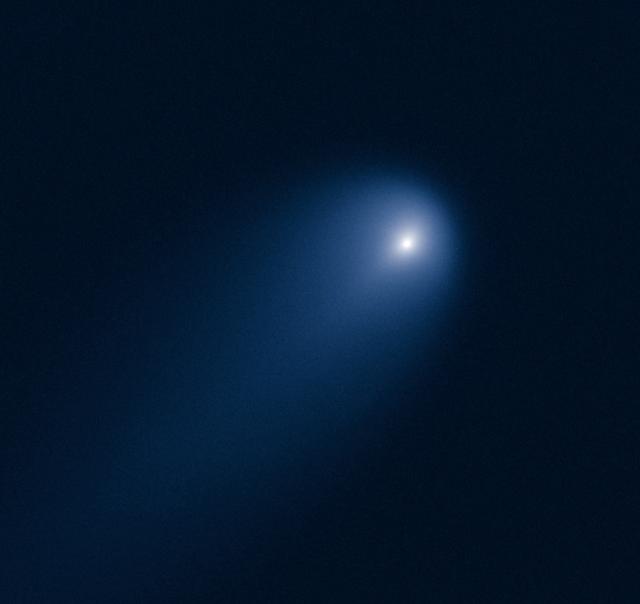
April 10 Hubble View of ISON
2017-12-08 · NASA Image and Video Library
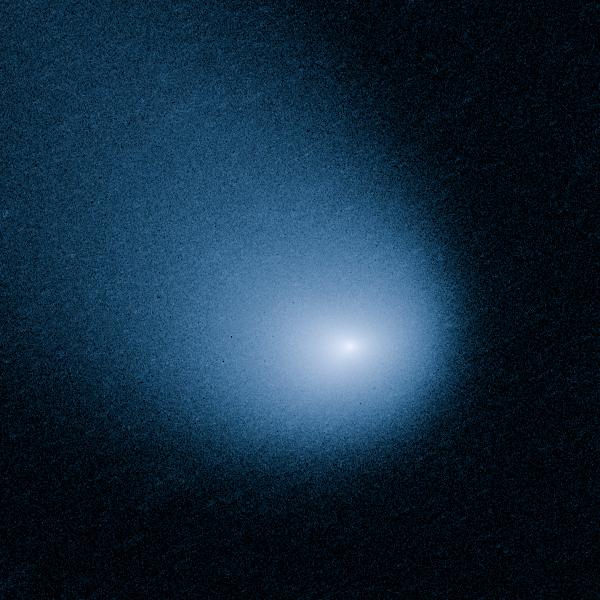
Hubble's View of Comet Siding Spring
2017-12-08 · NASA Image and Video Library
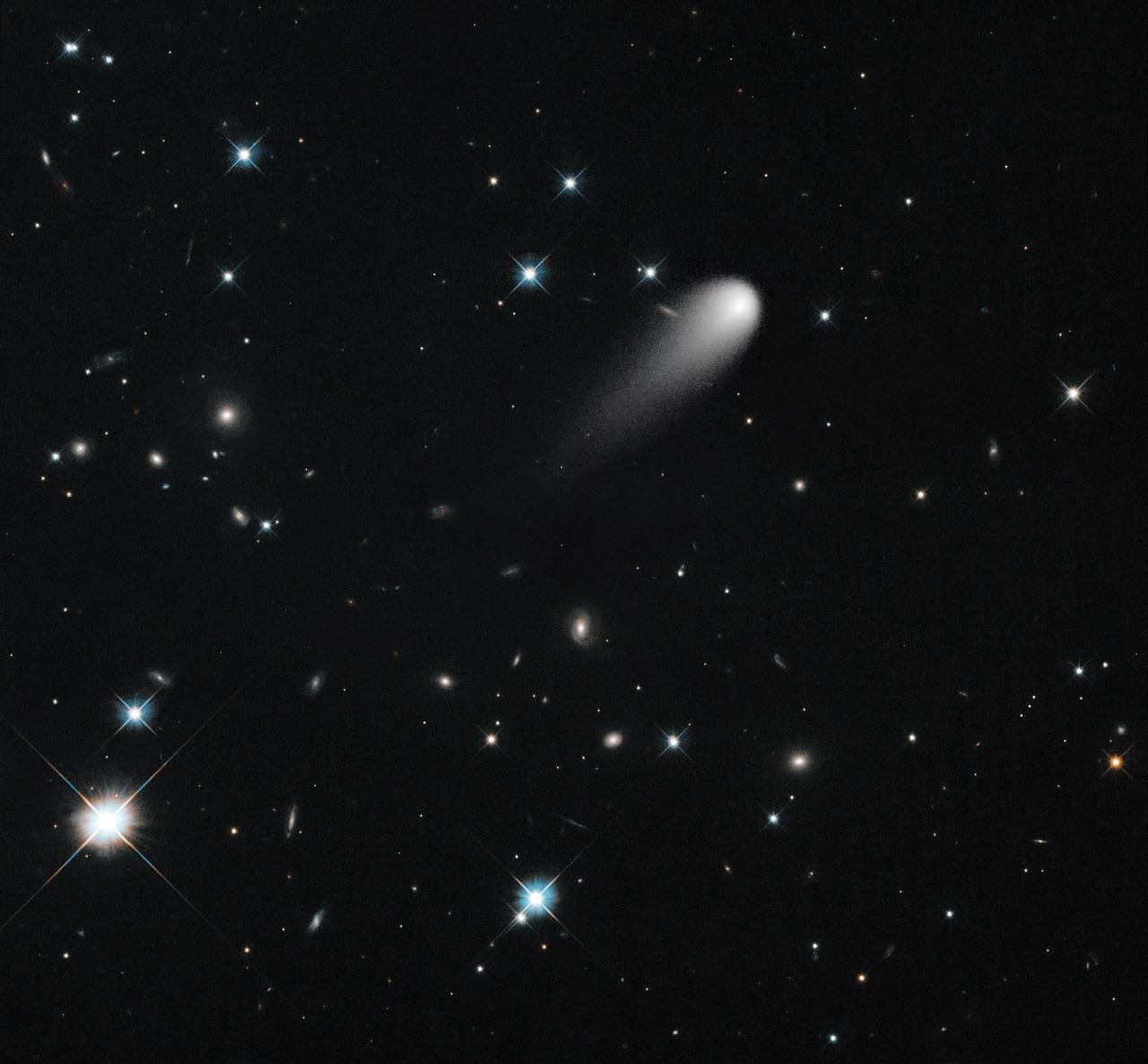
April 30 Hubble View of ISON
2017-12-08 · NASA Image and Video Library
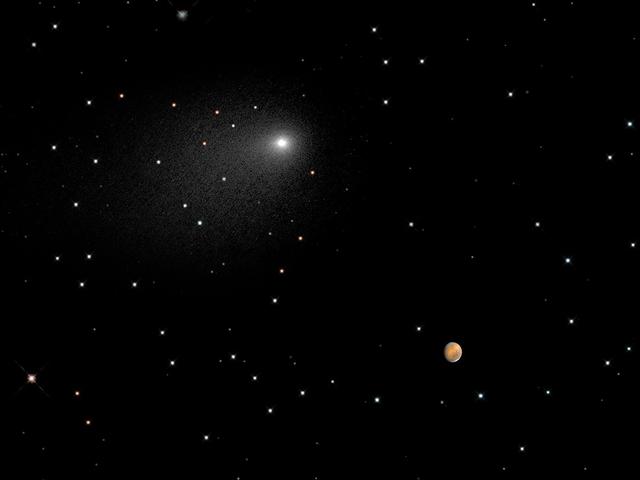
Comet Siding Spring Seen Next to Mars
2017-12-08 · NASA Image and Video Library

NASA's Hubble Sees Asteroid Spout Six Comet-like Tails
2017-12-08 · NASA Image and Video Library