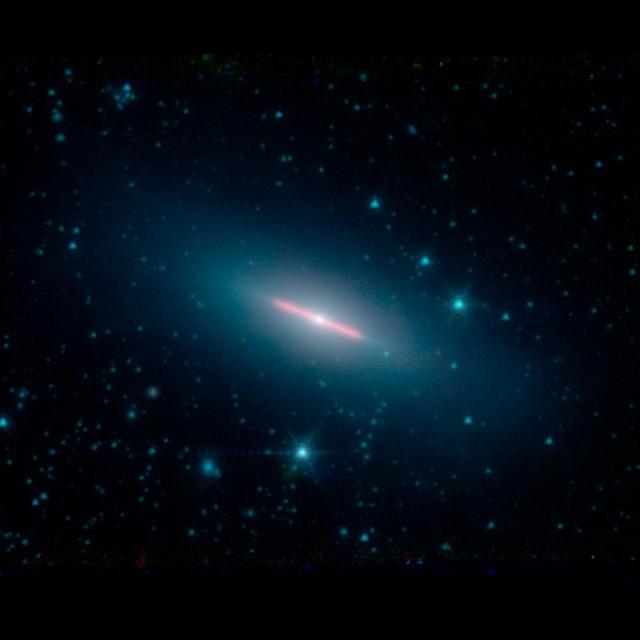
NASA's Spitzer Spots a Perfectly Sideways Galaxy
Galaxy NGC 5866 lies 44 million light-years from Earth and has a diameter of roughly 60,000 light-years — a little more than half the diameter of our own Milky Way galaxy. From our viewpoint, NGC 5866 is oriented almost exactly edge-on, yielding most of its structural features invisible. Spitzer detects infrared light, and the red color here corresponds to a wavelength typically emitted by dust. The clean edges of the dust emission from NGC 5866 indicate that there is a very flat ring or disk of dust circling the outer region of the galaxy. Spitzer took this image during its "cold" mission, which ended in 2009. The colors represent three infrared wavelengths captured by the Infrared Array Camera instrument. Blue light corresponds to a wavelength of 3.6 microns, produced mainly by stars; green corresponds to 4.5 microns, and red corresponds to 8 microns. https://photojournal.jpl.nasa.gov/catalog/PIA23129
- Date
- 2019-07-31
- Photographer / author
- NASA/JPL-Caltech
- Collection
- JPL
- Archive
- NASA Image and Video Library
- Type
- photograph
Public domainsafest
Reason: a NASA work: not copyrighted in the United States.
Read from: NASA media usage guidelines: NASA material is not copyrighted in the US unless noted; no third-party credit or mark found.
Credit line
"NASA's Spitzer Spots a Perfectly Sideways Galaxy" (2019-07-31). NASA/JPL/NASA/JPL-Caltech. Public domain. https://images.nasa.gov/details/PIA23129Need photos for a whole script? Add Find Any Photo to Claude and ask for this one by its id: 16020.
More like this
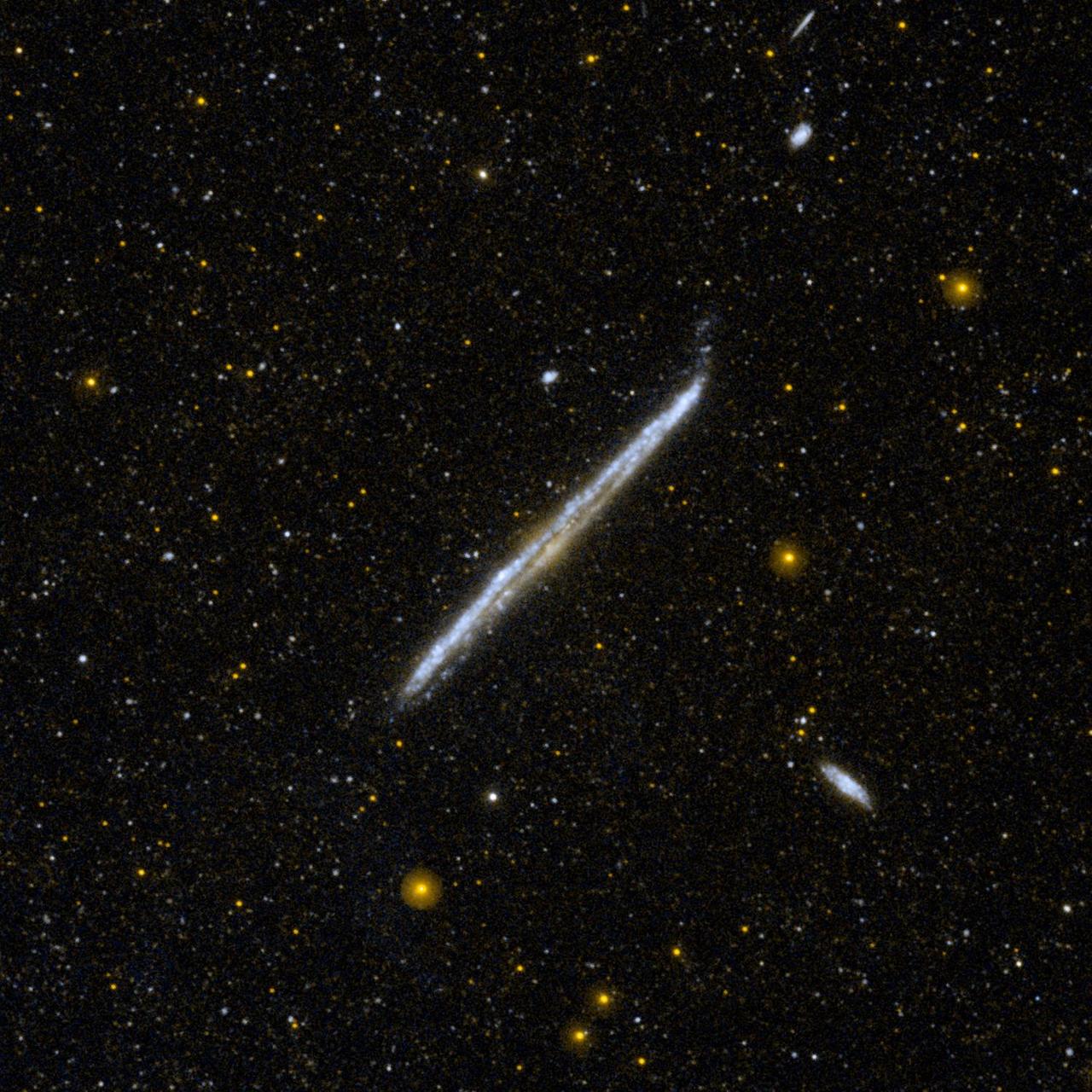
Galaxy Pencil-Thin Profile
2013-06-28 · NASA Image and Video Library
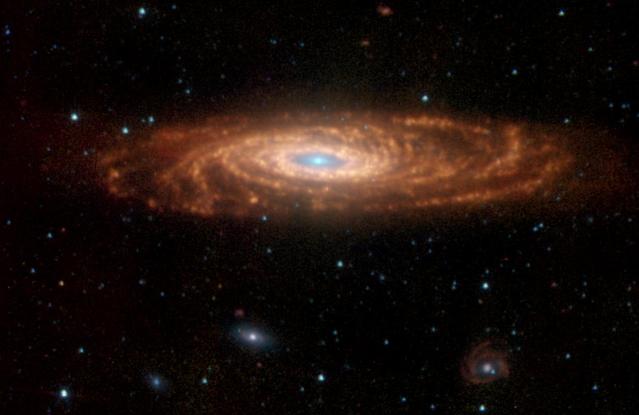
Morphology of Our Galaxy Twin
2004-06-28 · NASA Image and Video Library
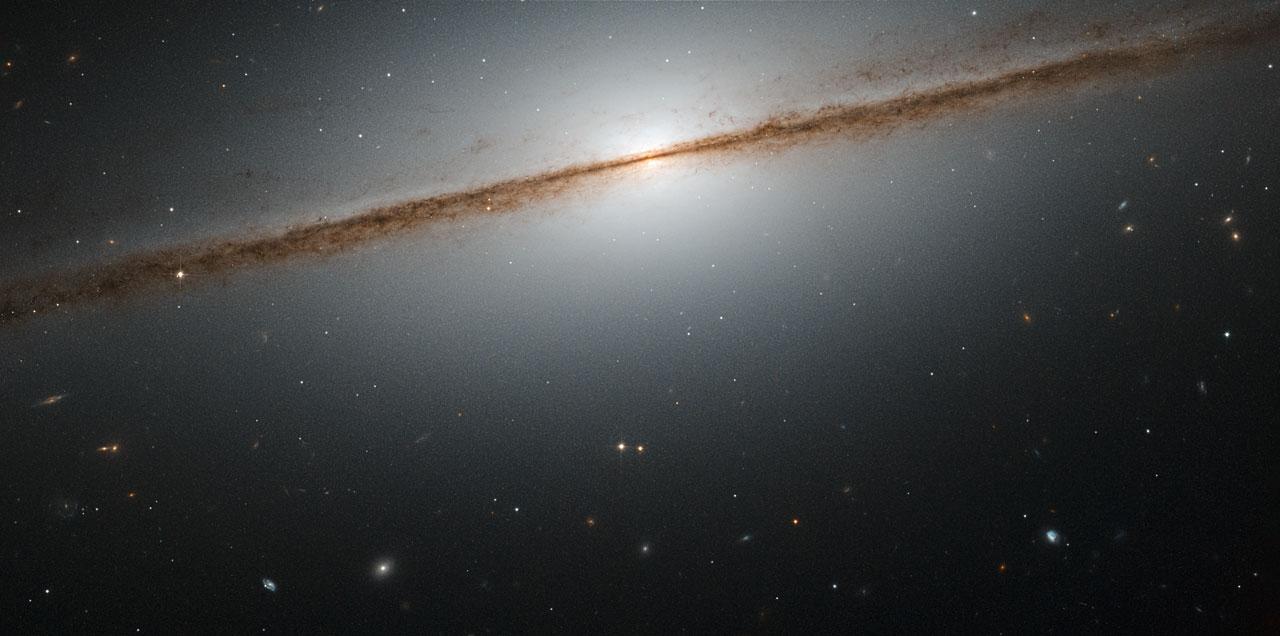
Hubble's Little Sombrero
2017-12-08 · NASA Image and Video Library
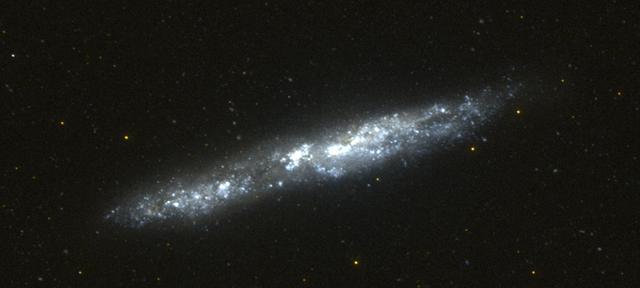
Galaxy NGC 55
2003-12-10 · NASA Image and Video Library
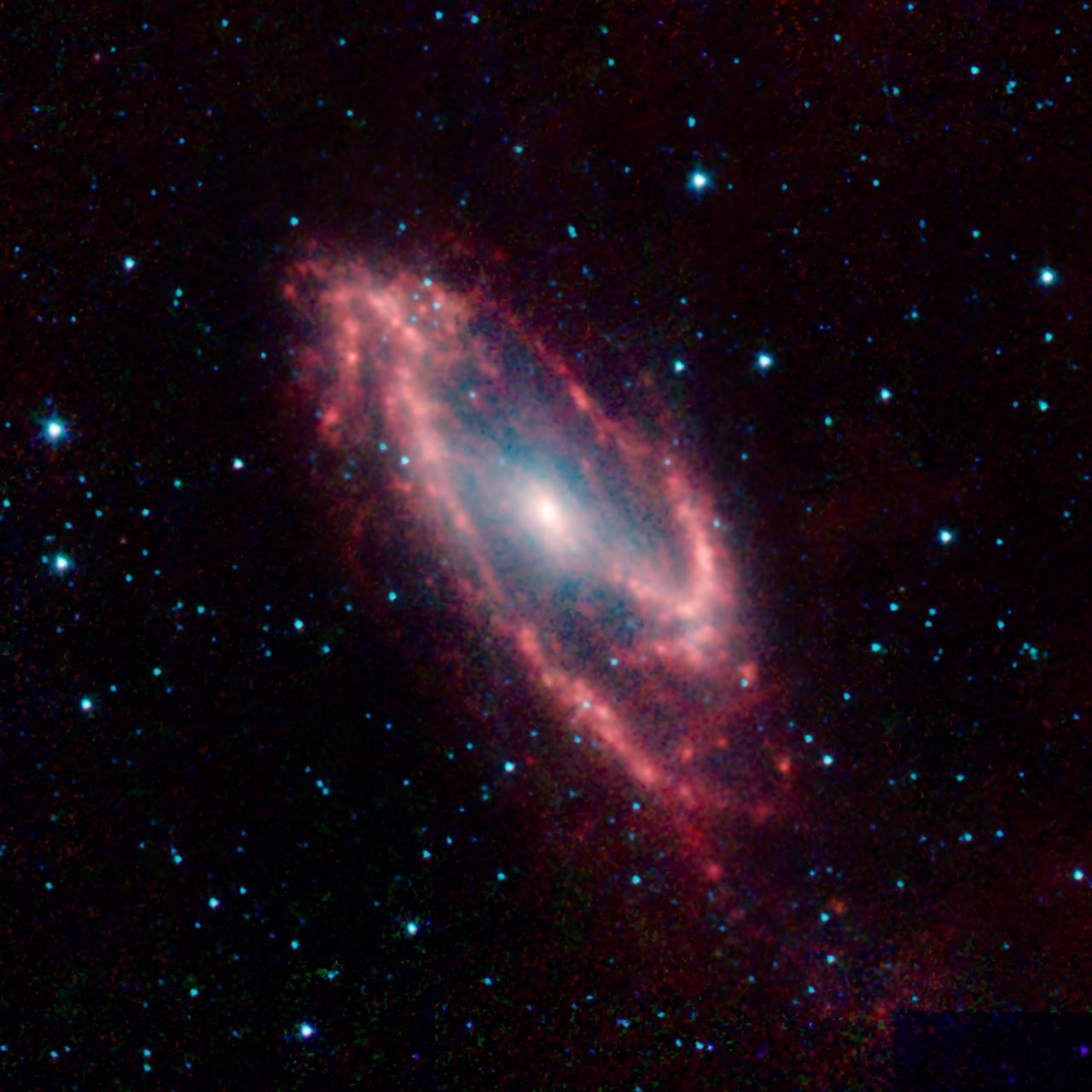
The Hidden Galaxy
2011-01-18 · NASA Image and Video Library
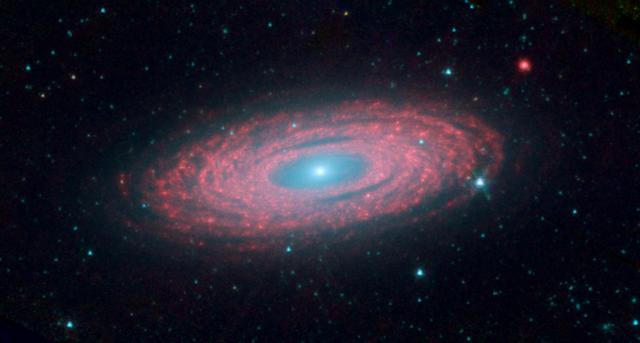
Why Are Galaxies So Smooth?
2009-04-30 · NASA Image and Video Library
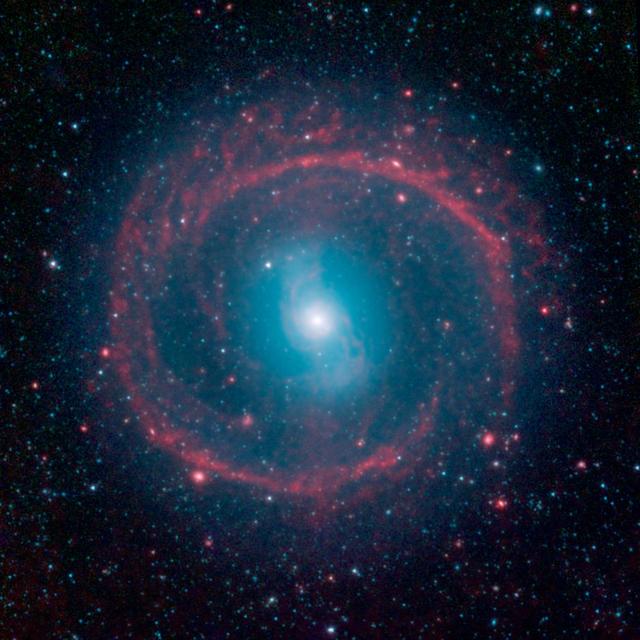
Ring of Stellar Fire
2014-10-22 · NASA Image and Video Library
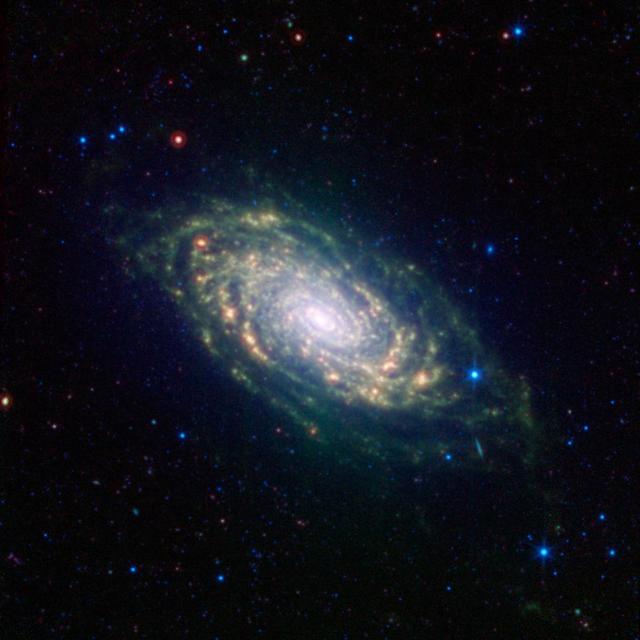
Sunflower Galaxy Glows with Infrared Light
2011-03-03 · NASA Image and Video Library