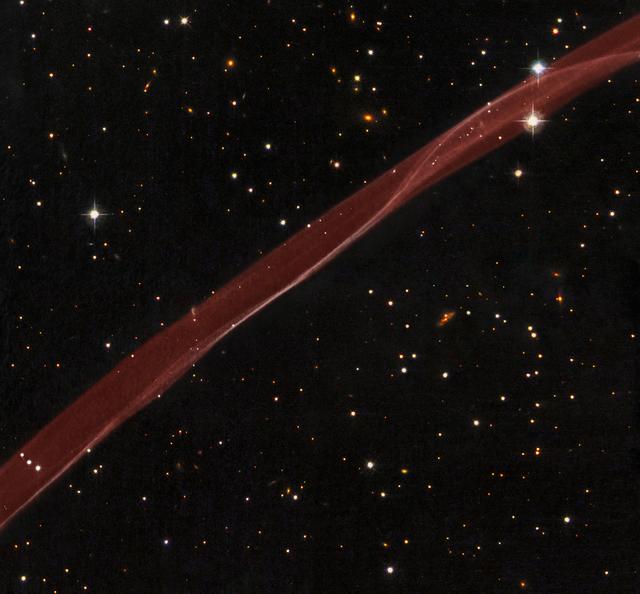
Hubble Sees Stars and a Stripe in Celestial Fireworks
Release date: July 1, 2008 SN 1006 Supernova Remnant (Hubble) A delicate ribbon of gas floats eerily in our galaxy. A contrail from an alien spaceship? A jet from a black-hole? Actually this image, taken by NASA's Hubble Space Telescope, is a very thin section of a supernova remnant caused by a stellar explosion that occurred more than 1,000 years ago. On or around May 1, 1006 A.D., observers from Africa to Europe to the Far East witnessed and recorded the arrival of light from what is now called SN 1006, a tremendous supernova explosion caused by the final death throes of a white dwarf star nearly 7,000 light-years away. The supernova was probably the brightest star ever seen by humans, and surpassed Venus as the brightest object in the night time sky, only to be surpassed by the moon. It was visible even during the day for weeks, and remained visible to the naked eye for at least two and a half years before fading away. It wasn't until the mid-1960s that radio astronomers first detected a nearly circular ring of material at the recorded position of the supernova. The ring was almost 30 arcminutes across, the same angular diameter as the full moon. The size of the remnant implied
- Date
- 2017-12-08
- Collection
- GSFC
- Archive
- NASA Image and Video Library
- Type
- photograph
Public domainsafest
Reason: a NASA work: not copyrighted in the United States.
Read from: NASA media usage guidelines: NASA material is not copyrighted in the US unless noted; no third-party credit or mark found.
Credit line
"Hubble Sees Stars and a Stripe in Celestial Fireworks" (2017-12-08). NASA/GSFC. Public domain. https://images.nasa.gov/details/GSFC_20171208_Archive_e002173Need photos for a whole script? Add Find Any Photo to Claude and ask for this one by its id: 16278.
More like this
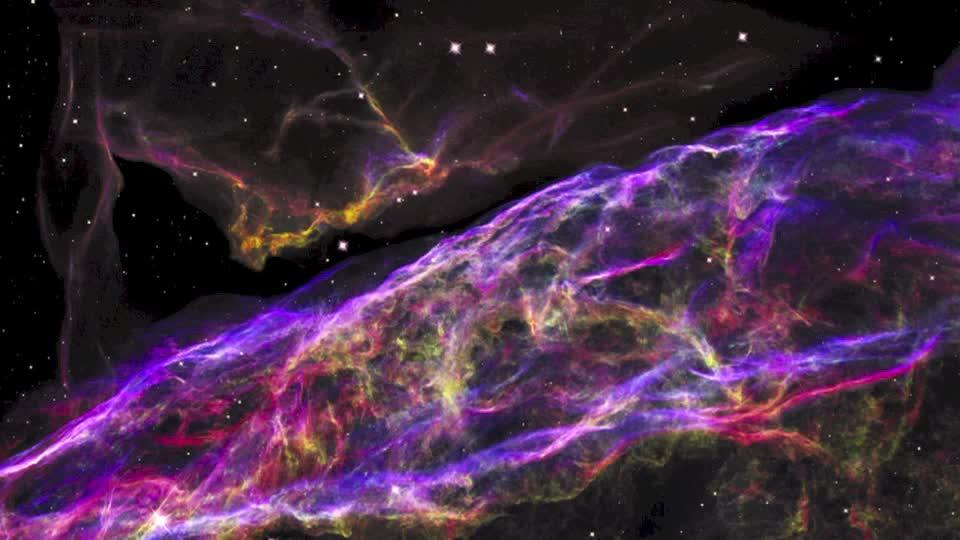
Hubble Zooms in on Shrapnel from an Exploded Star
2017-12-08 · NASA Image and Video Library
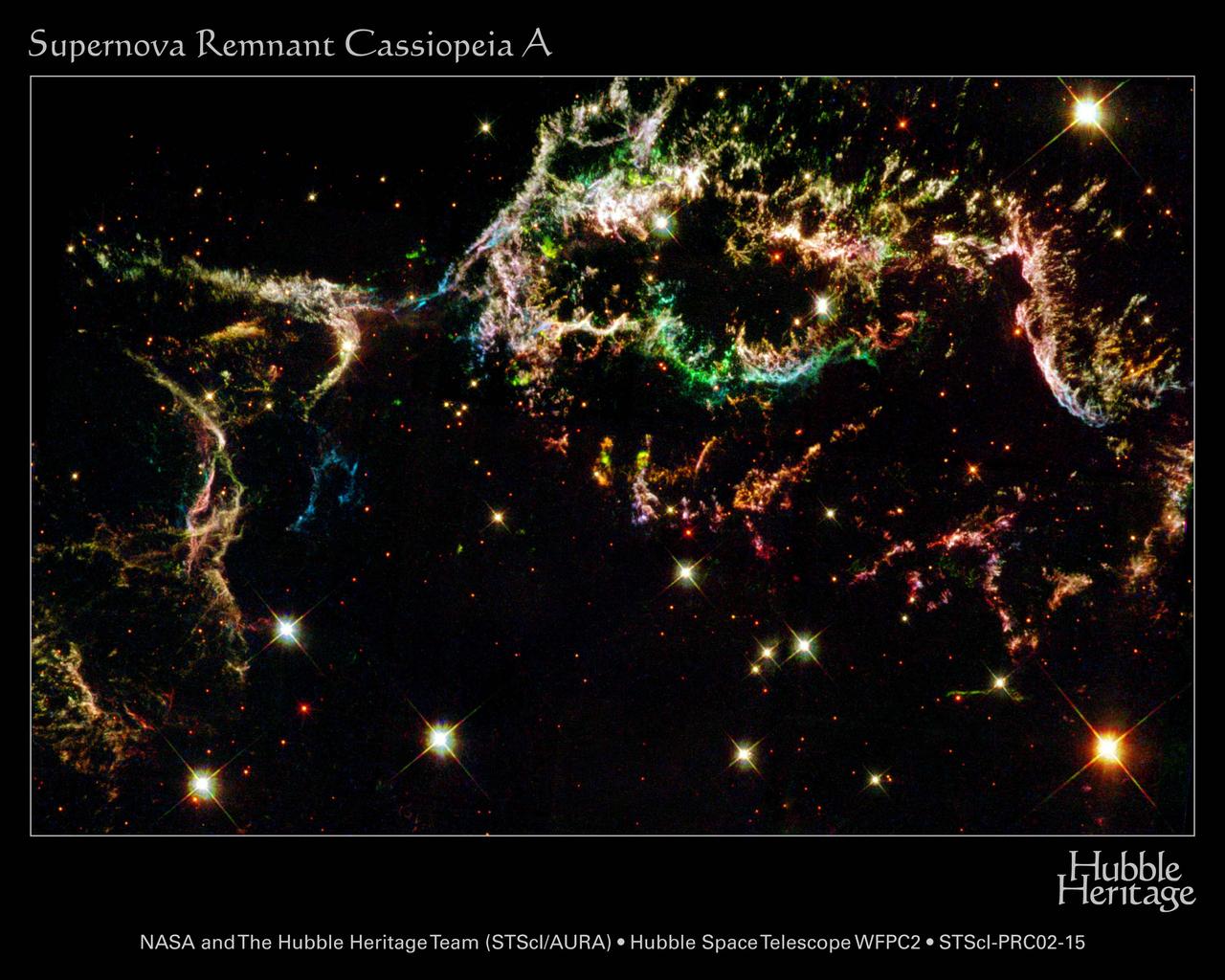
Space Science
2000-01-01 · NASA Image and Video Library
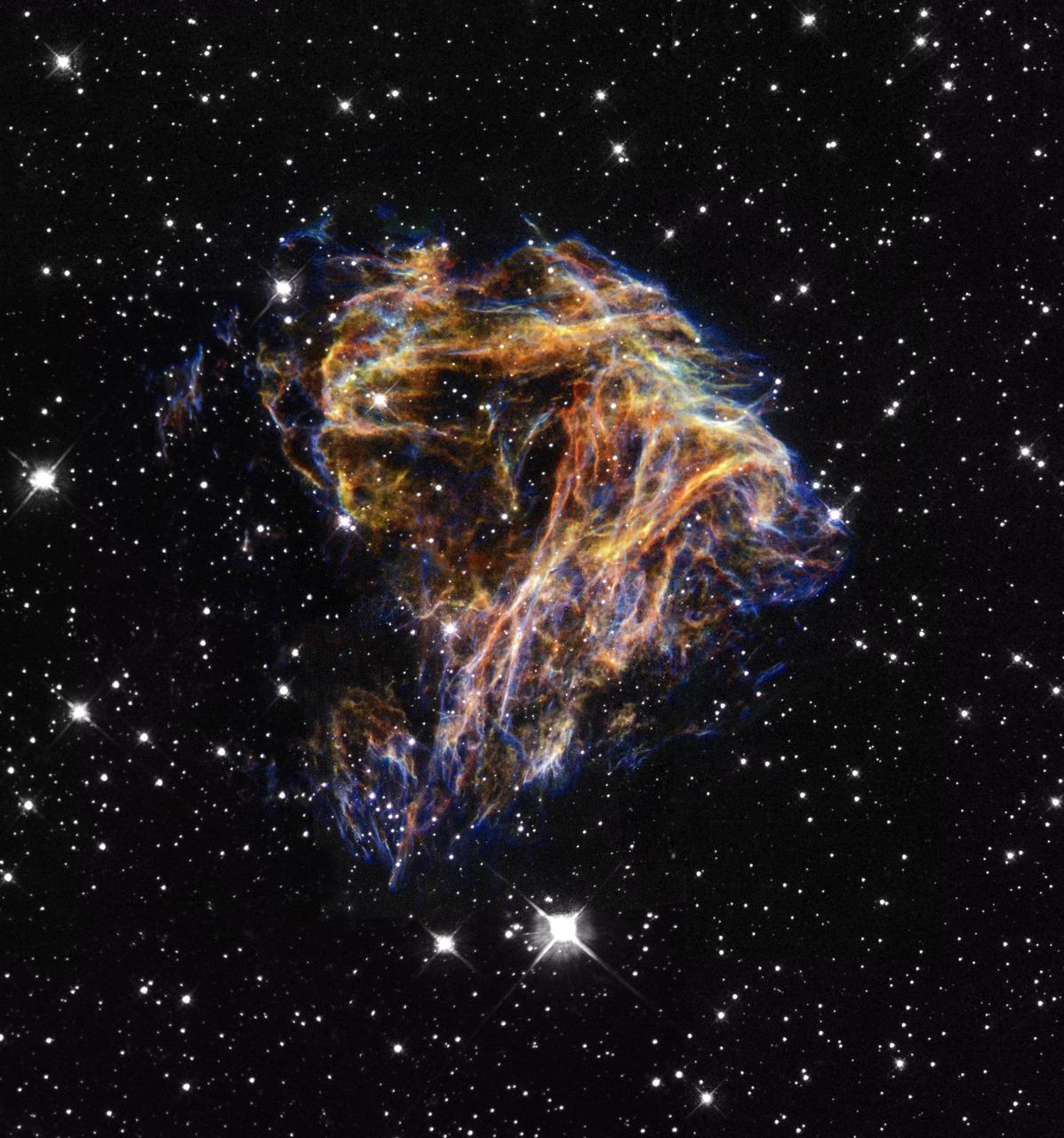
Celestial Fireworks
2003-07-03 · NASA Image and Video Library

Hubble Views a Cosmic Skyrocket
2017-12-08 · NASA Image and Video Library

Crab Nebula
2017-12-08 · NASA Image and Video Library

Hubble Supernova Bubble Resembles Holiday Ornament
2017-12-08 · NASA Image and Video Library
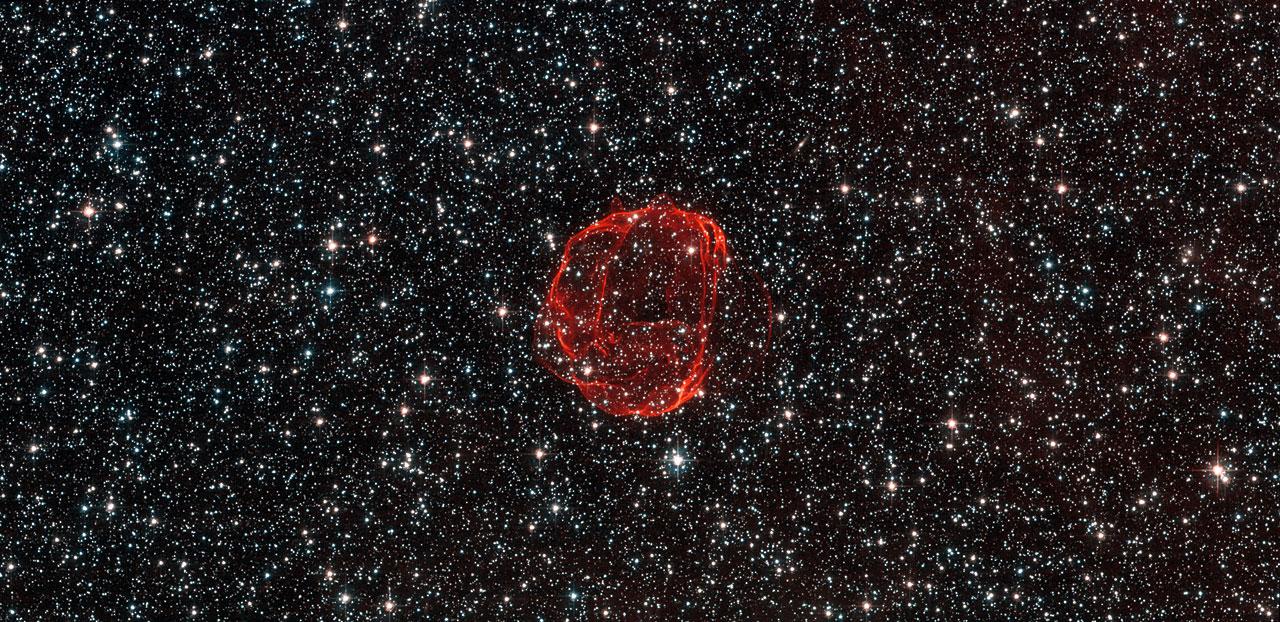
Hubble Sees the Remains of a Star Gone Supernova
2017-12-08 · NASA Image and Video Library
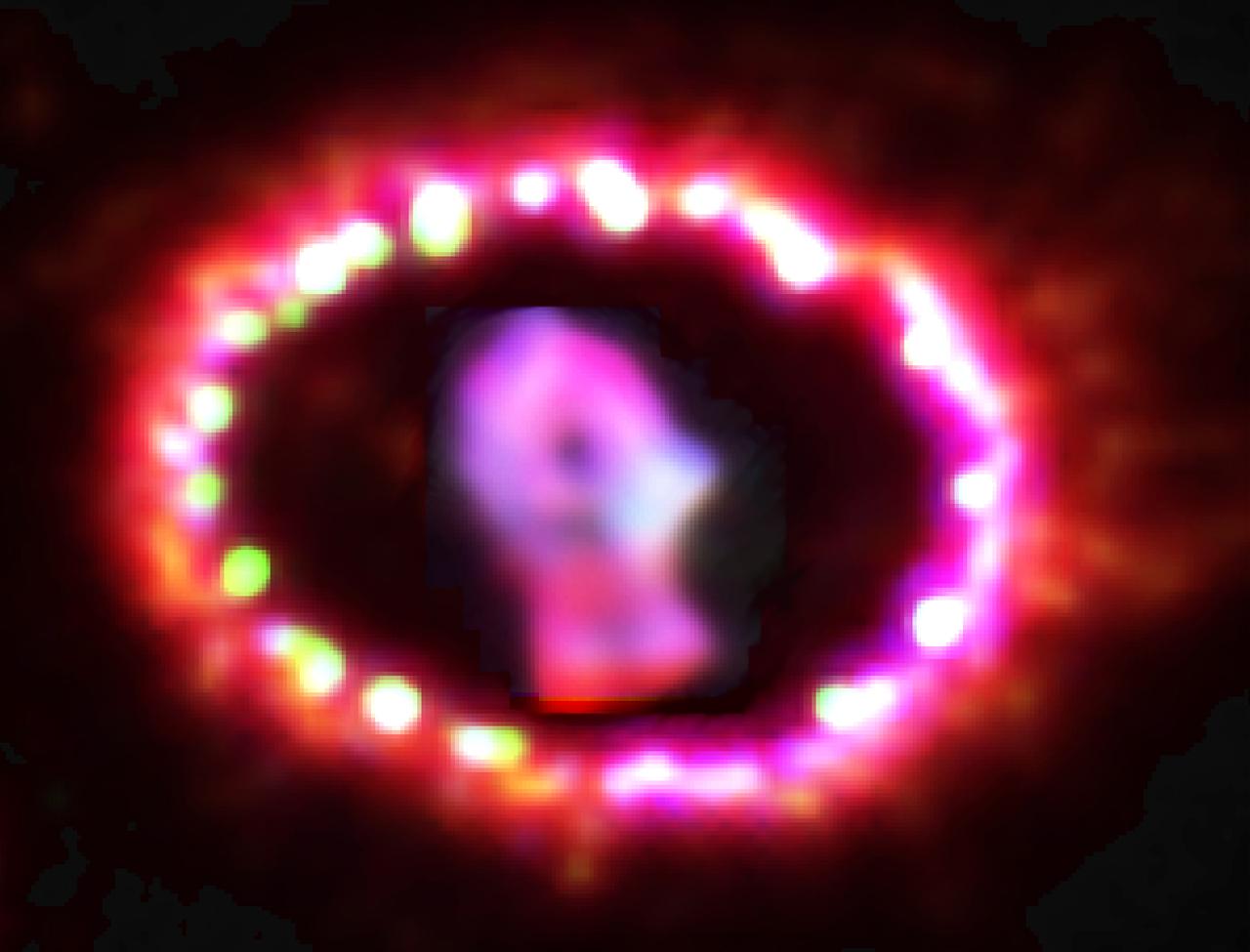
NASA's Hubble Sees A New Supernova Remnant Light Up
2017-12-08 · NASA Image and Video Library