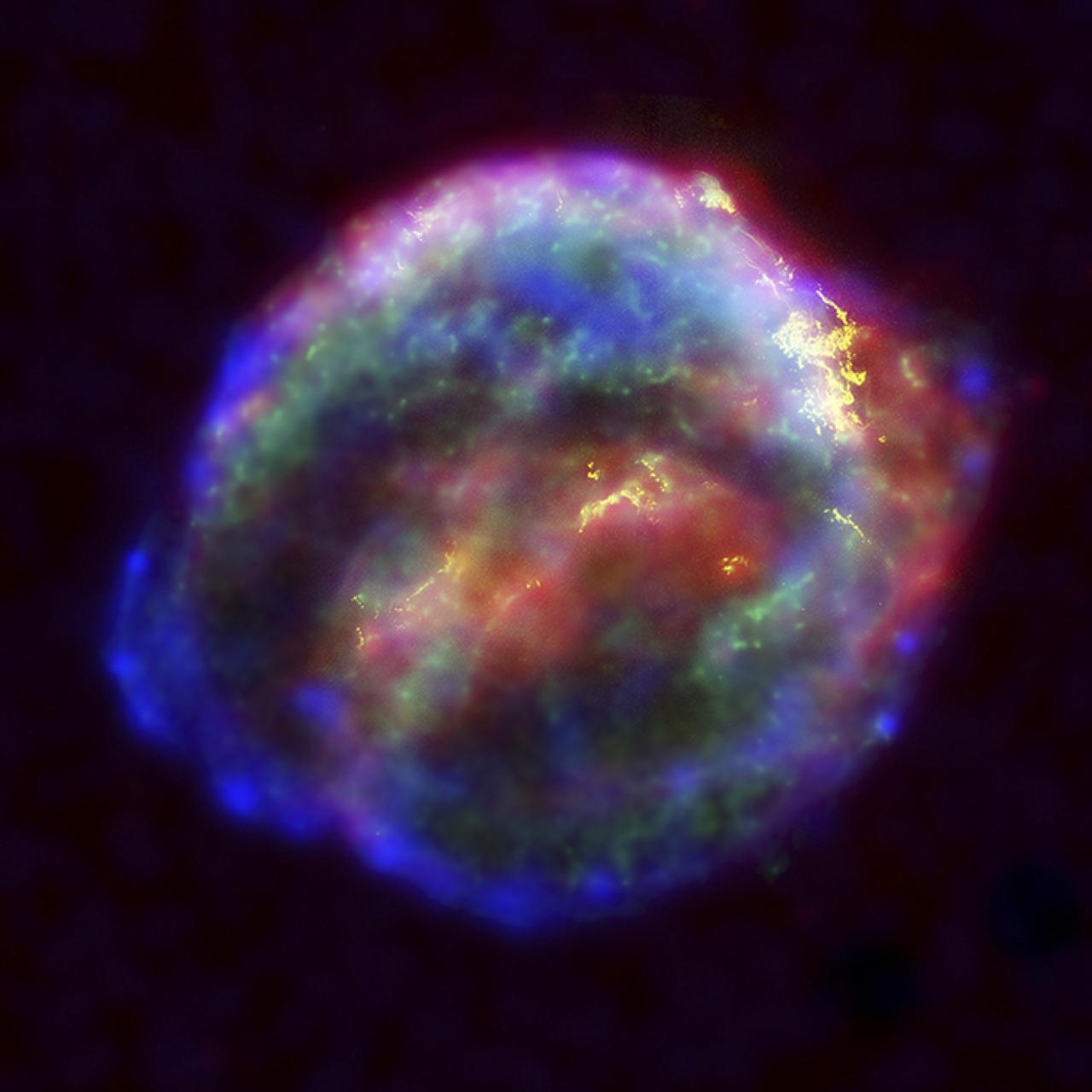
Space Science
Four hundred years ago, sky watchers, including the famous astronomer Johannes Kepler, best known as the discoverer of the laws of planetary motion, were startled by the sudden appearance of a new star in the western sky, rivaling the brilliance of the nearby planets. Modern astronomers, using NASA's three orbiting Great Observatories, are unraveling the mysteries of the expanding remains of Kepler's supernova, the last such object seen to explode in our Milky Way galaxy. When a new star appeared Oct. 9, 1604, observers could use only their eyes to study it. The telescope would not be invented for another four years. A team of modern astronomers has the combined abilities of NASA's Great Observatories, the Spritzer Space Telescope (SST), Hubble Space Telescope (HST), and Chandra X-Ray Observatory (CXO), to analyze the remains in infrared radiation, visible light, and X-rays. Visible-light images from Hubble's Advanced Camera for Surveys reveal where the supernova shock wave is slamming into the densest regions of surrounding gas. The astronomers used the SST to probe for material that radiates in infrared light, which shows heated microscopic dust particles that have been swept up
- Date
- 2004-10-07
- Collection
- MSFC
- Archive
- NASA Image and Video Library
- Type
- photograph
Public domainsafest
Reason: a NASA work: not copyrighted in the United States.
Read from: NASA media usage guidelines: NASA material is not copyrighted in the US unless noted; no third-party credit or mark found.
Credit line
"Space Science" (2004-10-07). NASA/MSFC. Public domain. https://images.nasa.gov/details/0401554Need photos for a whole script? Add Find Any Photo to Claude and ask for this one by its id: 17989.
More like this
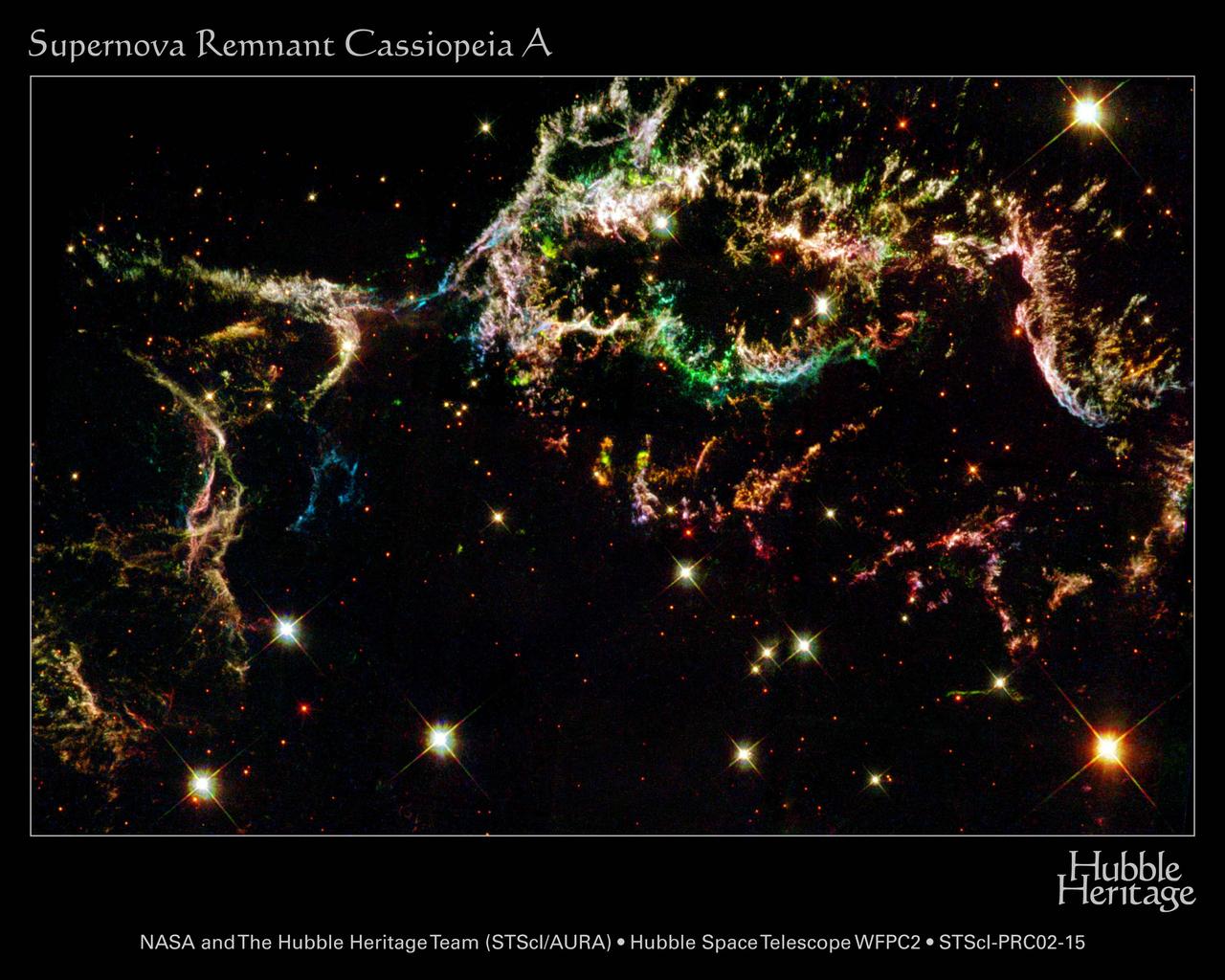
Space Science
2000-01-01 · NASA Image and Video Library
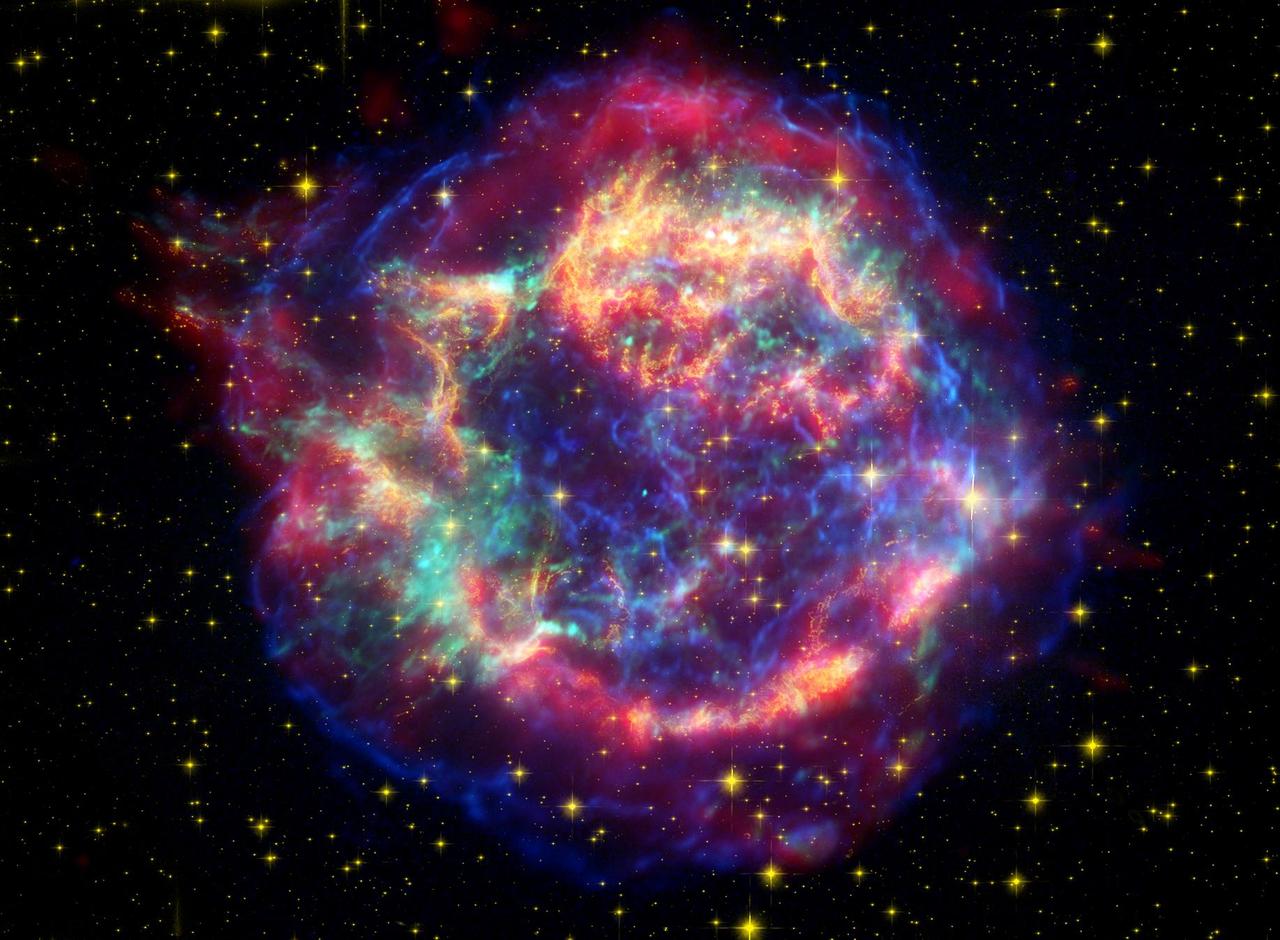
Cassiopeia A: Death Becomes Her
2005-06-10 · NASA Image and Video Library
Dissecting Dust from Detonation of Dead Star
2014-06-04 · NASA Image and Video Library

Supernova Remnant W49B
2017-12-08 · NASA Image and Video Library
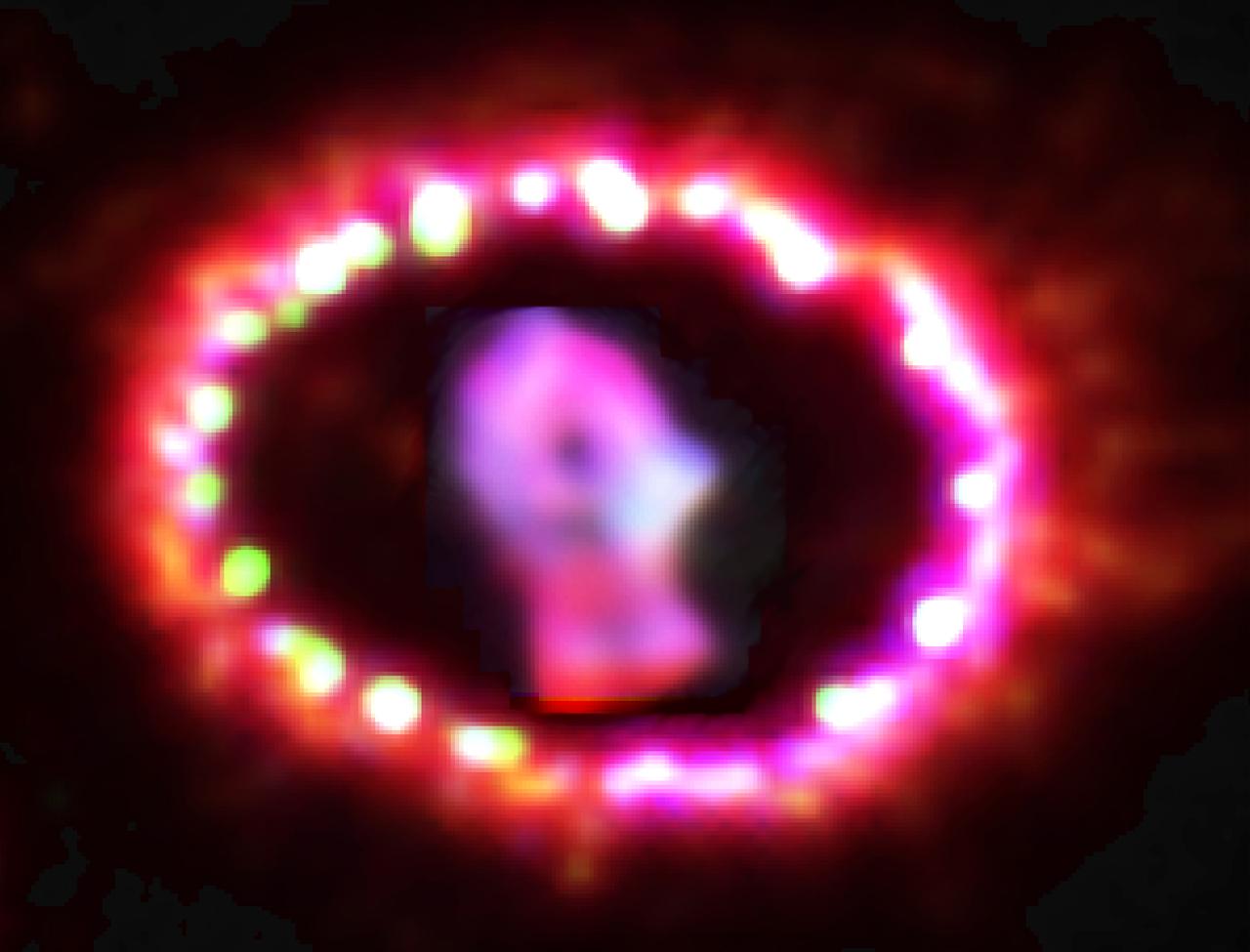
NASA's Hubble Sees A New Supernova Remnant Light Up
2017-12-08 · NASA Image and Video Library
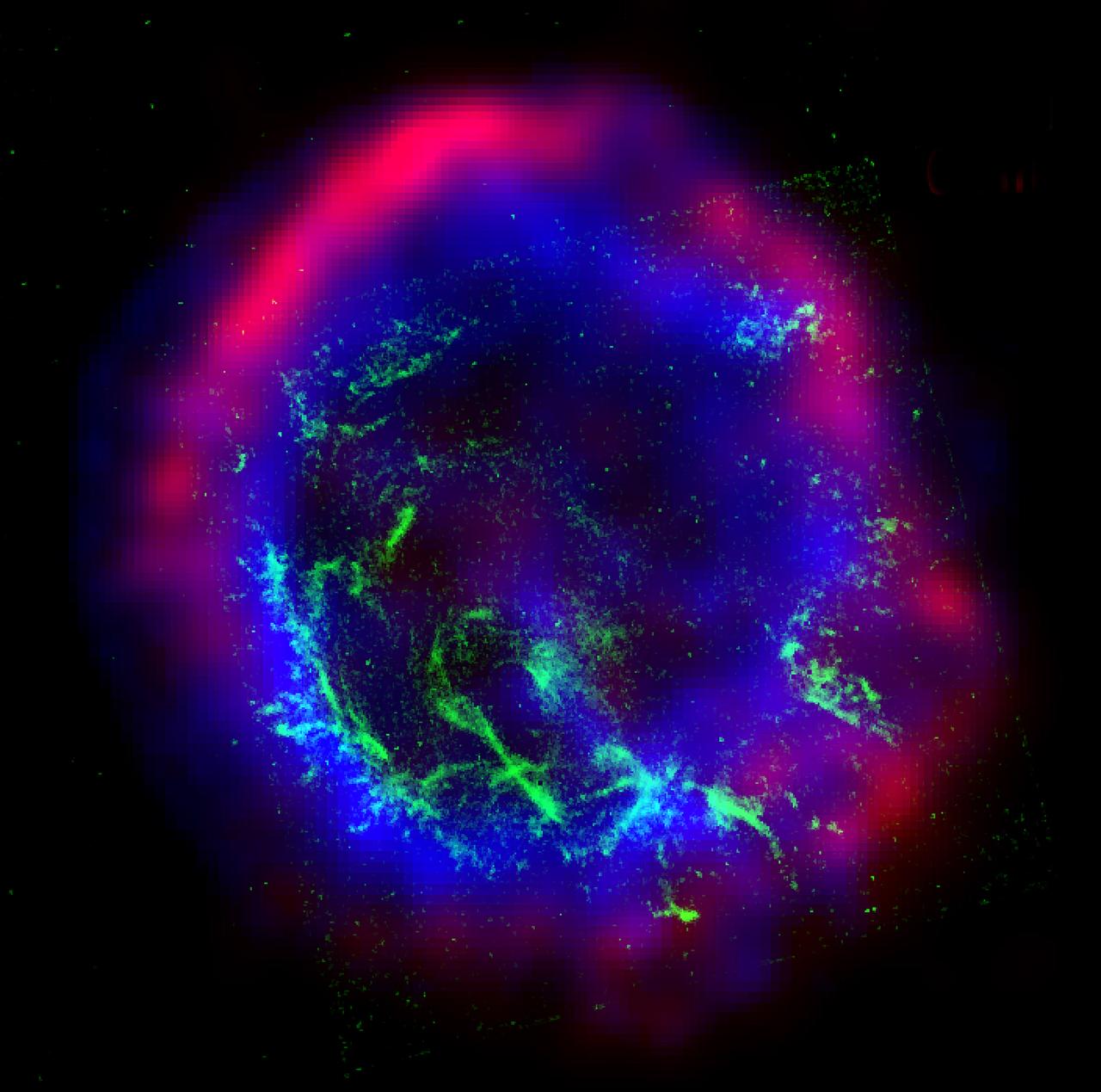
History of Chandra X-Ray Observatory
2000-11-01 · NASA Image and Video Library

Spitzer Celebrates Fourth Anniversary with Celestial Fireworks
2007-08-24 · NASA Image and Video Library
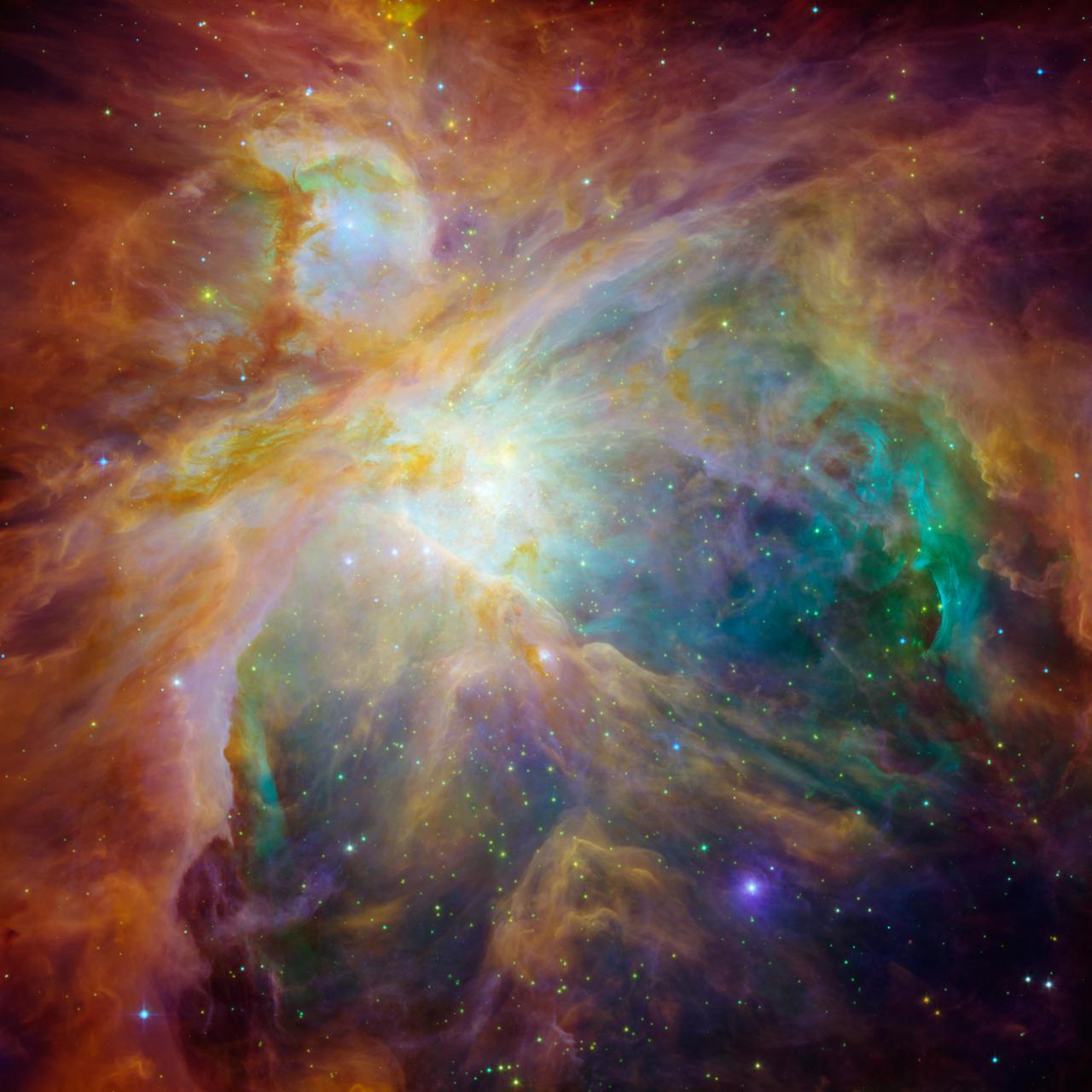
Chaos at the Heart of Orion
2006-11-07 · NASA Image and Video Library